STEKA PAN
£170.00
Scheduled to ship in late October.
Worldwide Shipping from Japan.
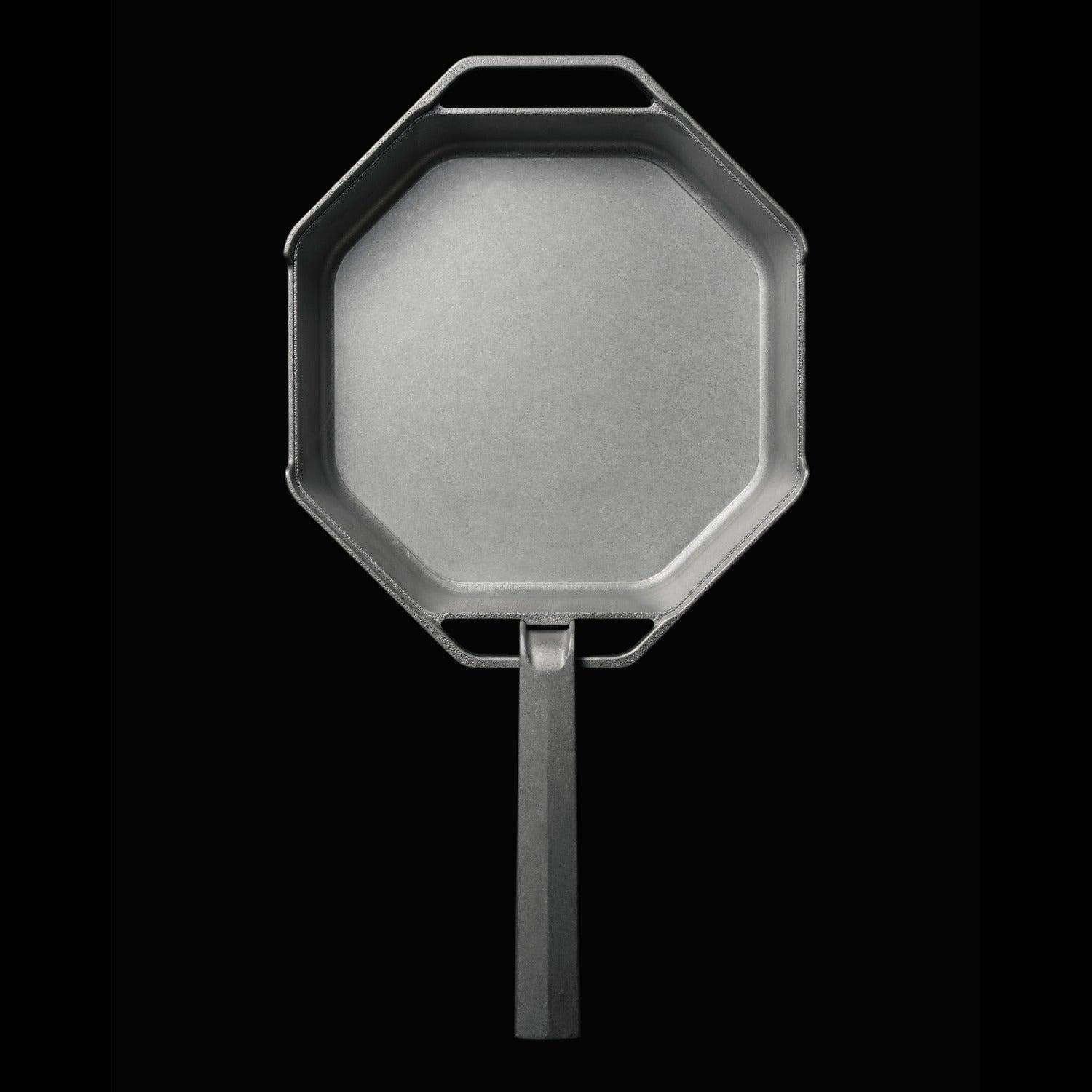
5 mm thick aluminum sauté pan.
Uncoated, PFAS/PTFE-free.
*Lid (STEKA LID) sold separately.
Pair with
Your cart is empty
Cancellations after placing an order are not accepted.
Returns or exchanges are accepted only in the case of initial defects caused during manufacturing.
MOZAMBIQUE provides a 5-year warranty for products purchased directly through our website or from authorized sales partners. This warranty covers manufacturing defects and parts failures under normal use.
Shipping Carrier: FedEx
Shipping fees can be confirmed at checkout.
Customs duties and import taxes are not included in the product price. They are to be paid by the customer to the carrier upon delivery.
Pre-order items will be shipped according to the delivery schedule provided. For items in stock, we will ship within 2 business days.
Scheduled to ship in late October.
Worldwide Shipping from Japan.
5 mm thick aluminum sauté pan.
Uncoated, PFAS/PTFE-free.
*Lid (STEKA LID) sold separately.
Pair with
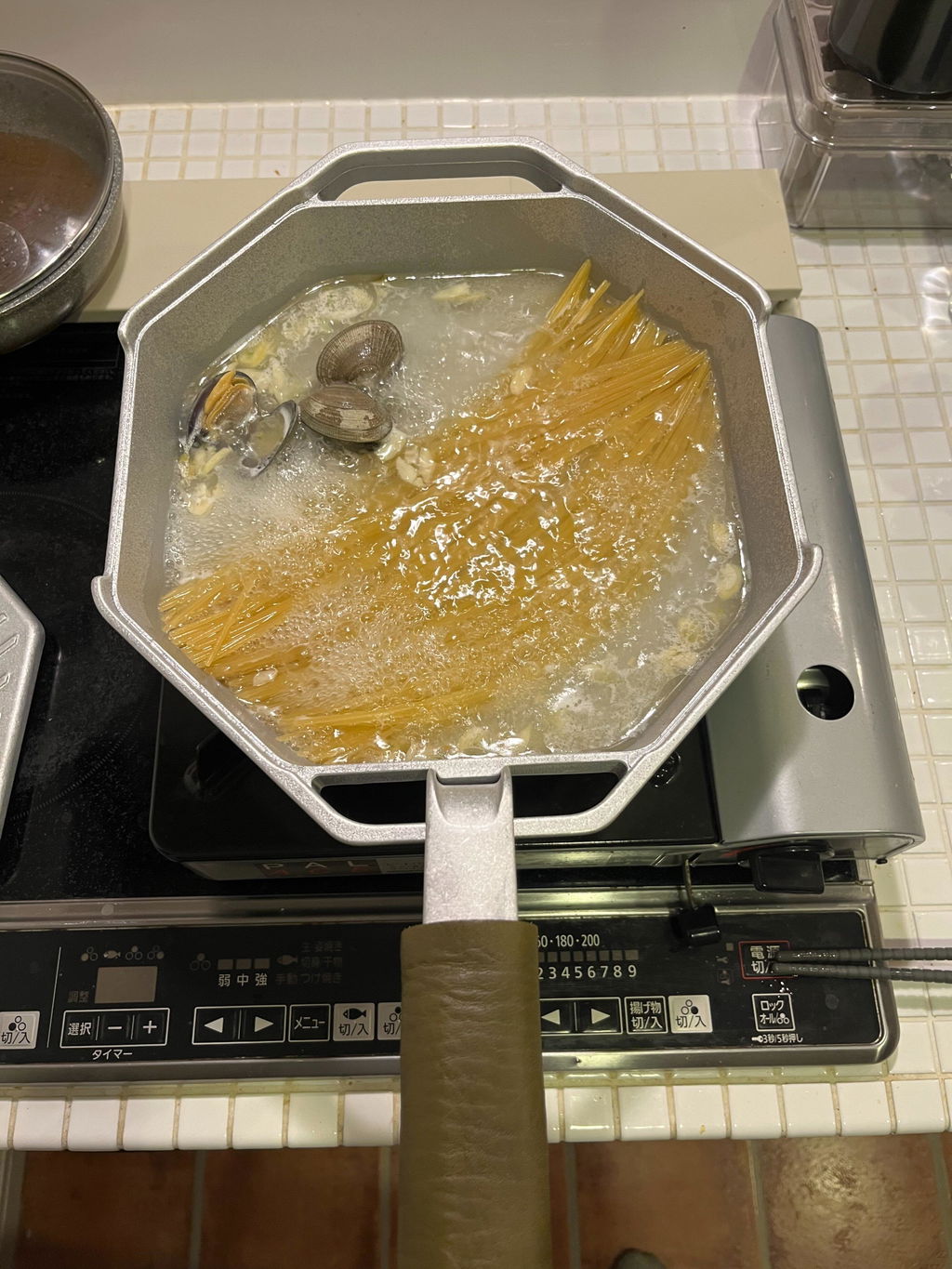
ワンパンでボンゴレビアンコを作りました。パスタは折らずにギリギリ入るサイズで、少しはみ出しましたが、しんなりすればすぐ収まります。5mm厚のアルミは思った以上に熱がしっかり上がり、にんにくとオイルの香りをきれいに引き出せました。茹でから乳化まで、フライパン一枚で完結するのが気持ちいいです。重さはそれなりにありますが、そのぶん蓄熱性が高く、火入れが安定している印象です。八角形のデザインも美しく、使っていないときもキッチンに出しておきたくなります。
WORLD WIDE SHIPPING
We ship to ASIA, EUROPE, NORTH AMERICA, and SOUTH AMERICA.
Shipping costs will be calculated and displayed at checkout.
Customs duties and import taxes are not included in the listed prices.
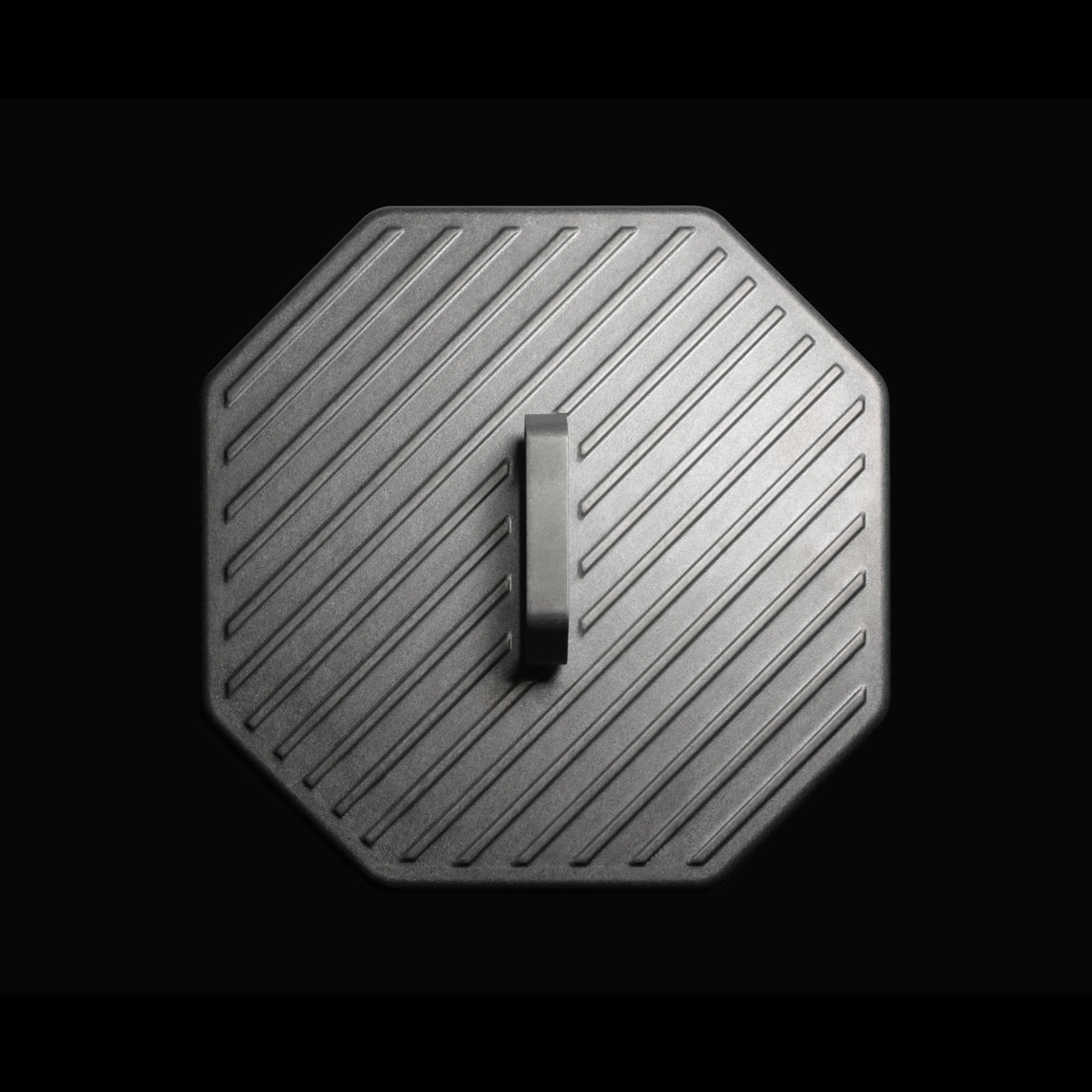
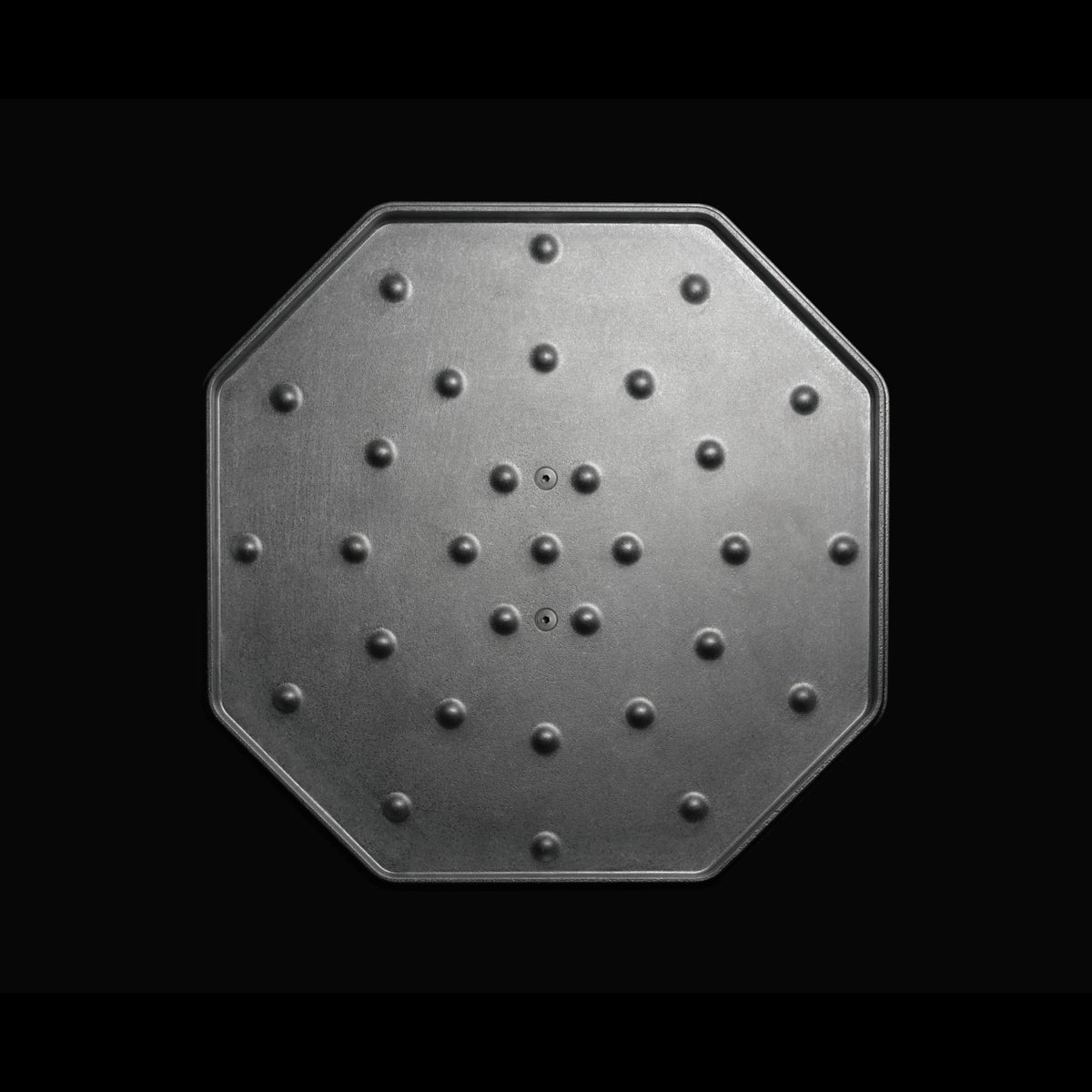
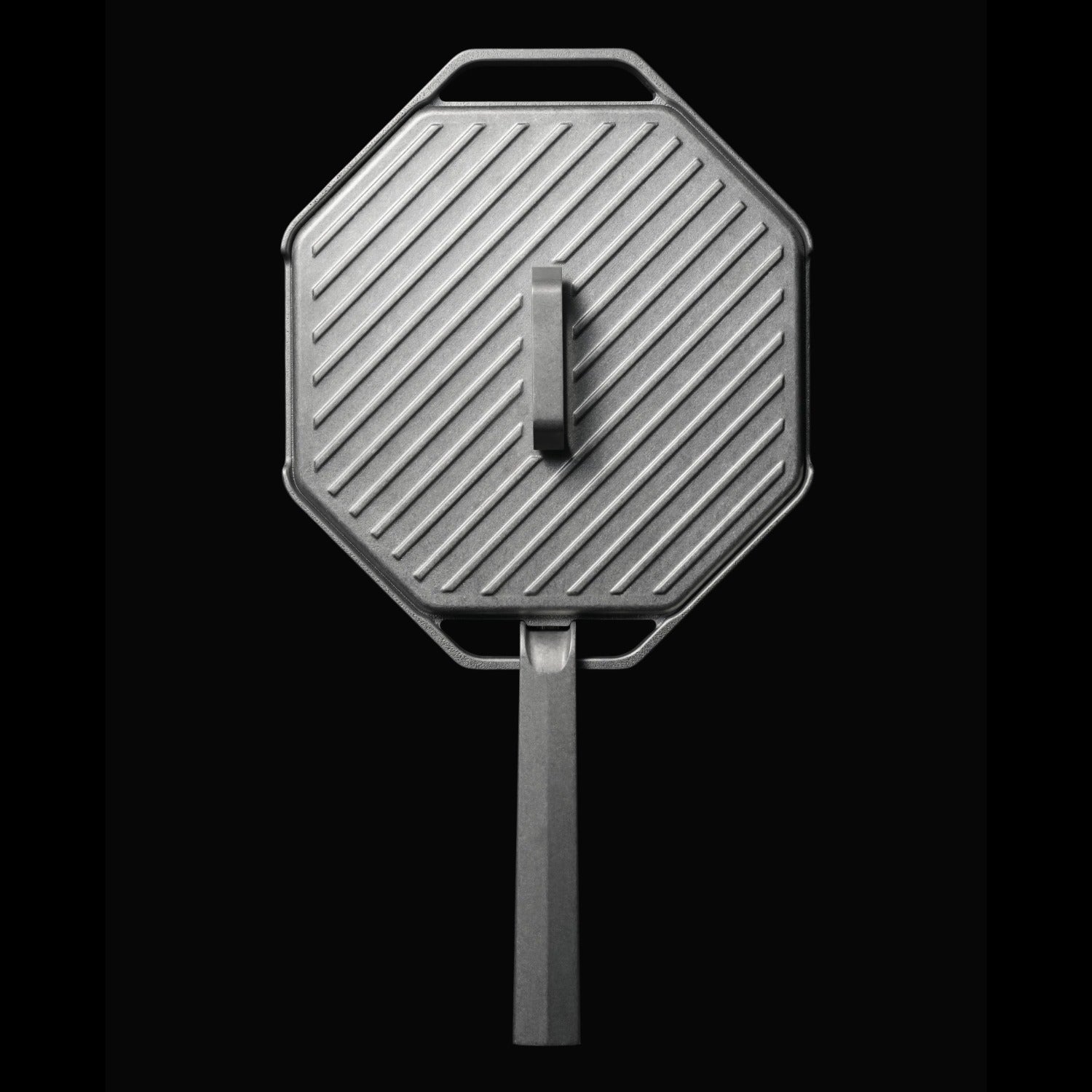
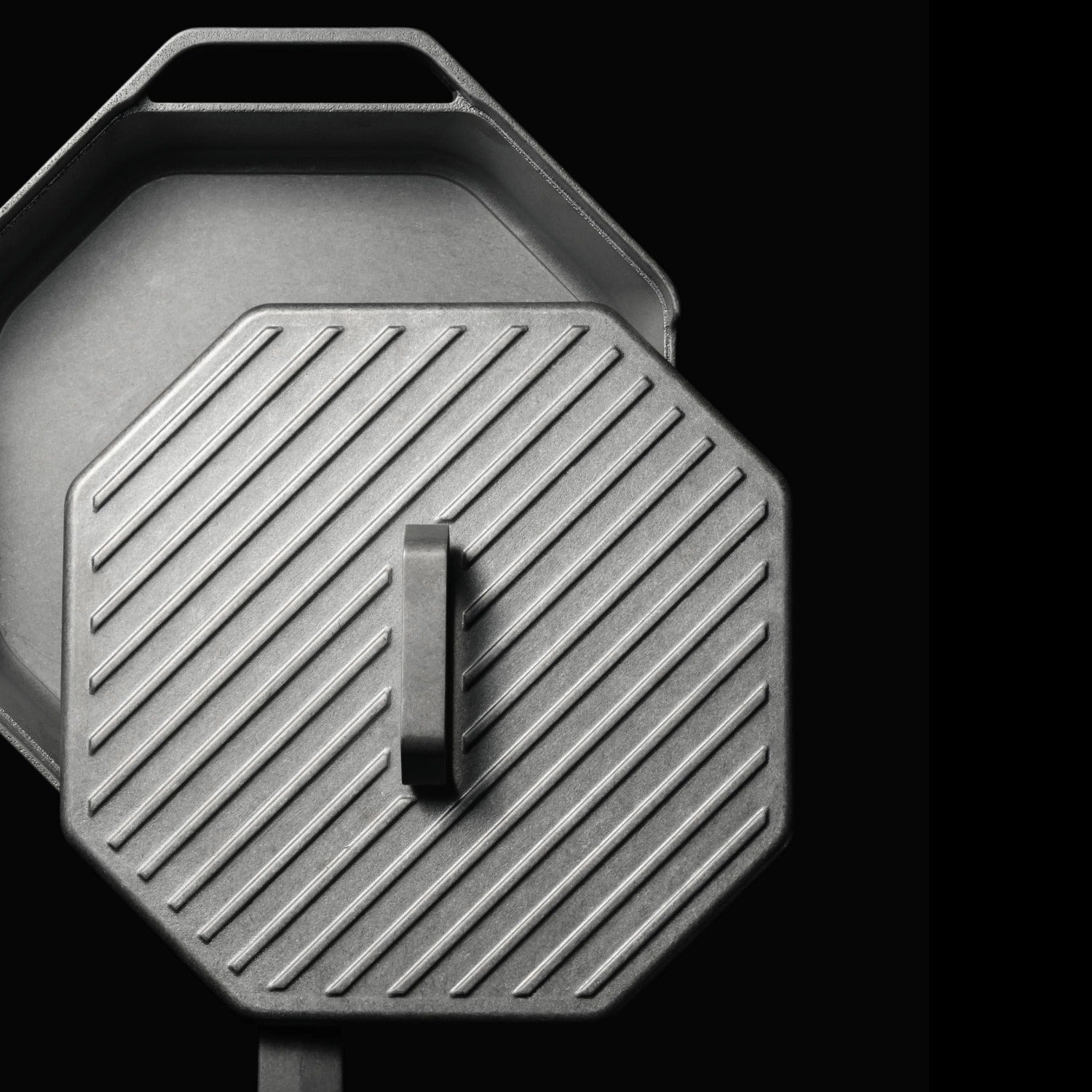
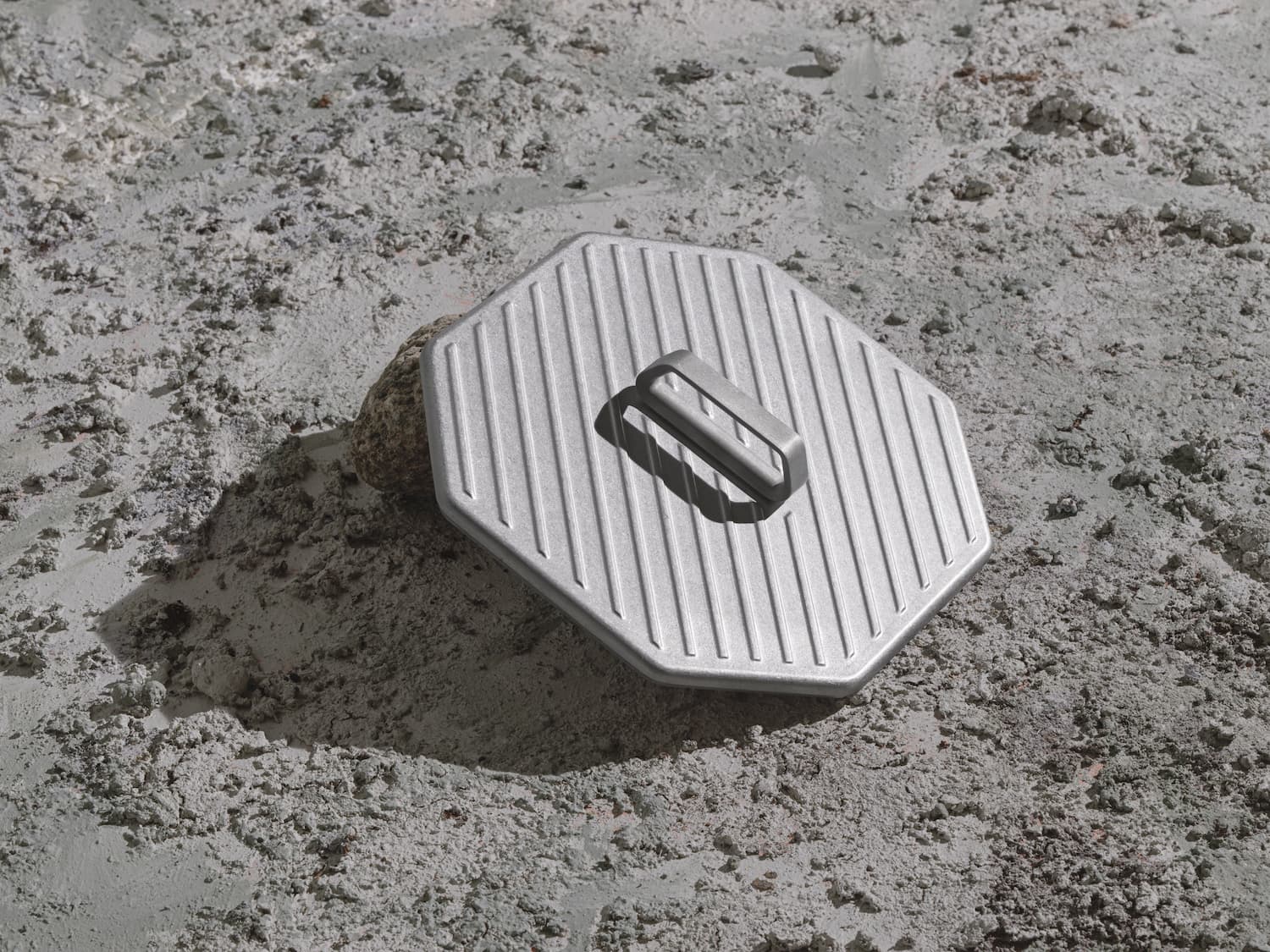
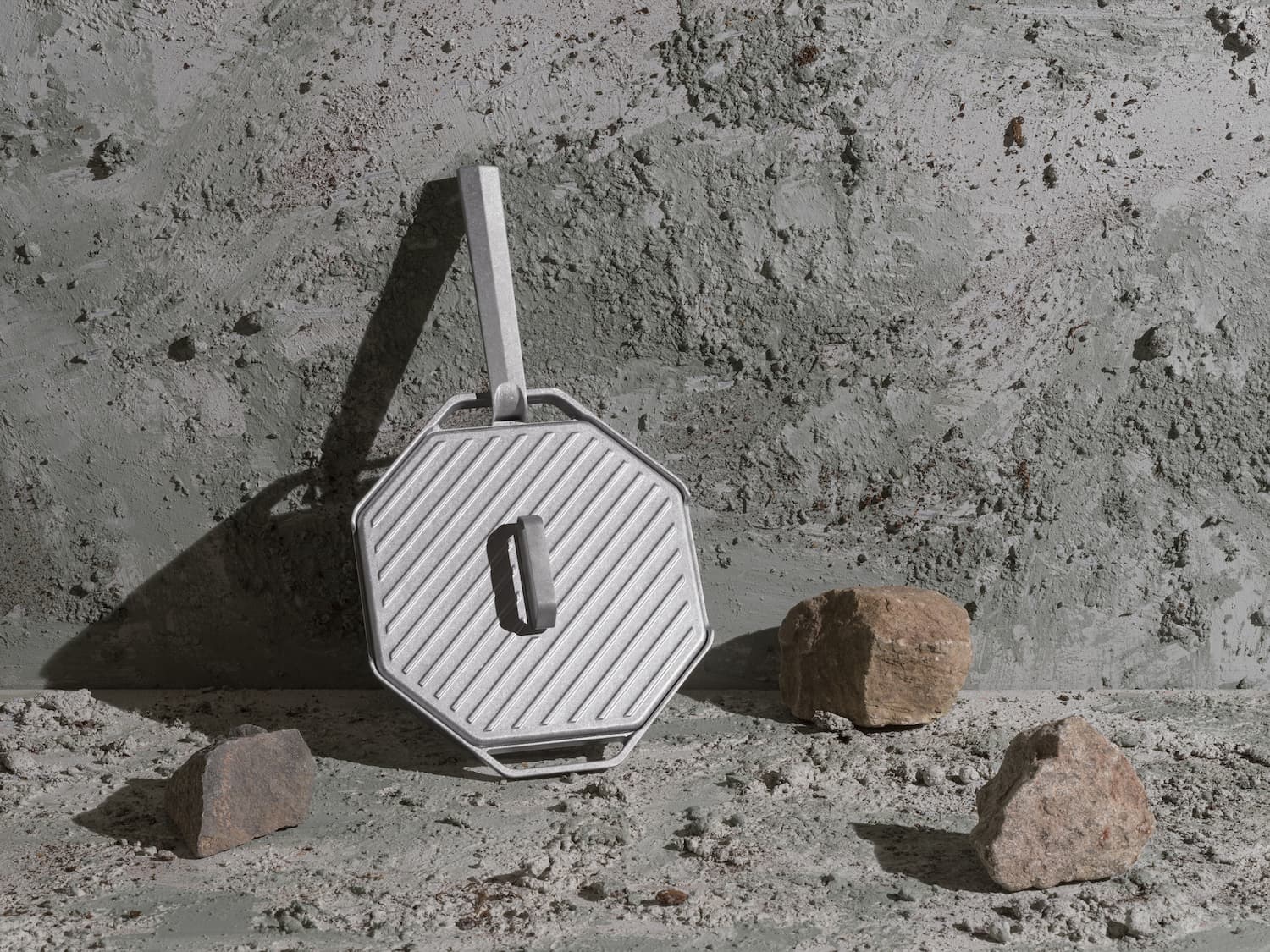
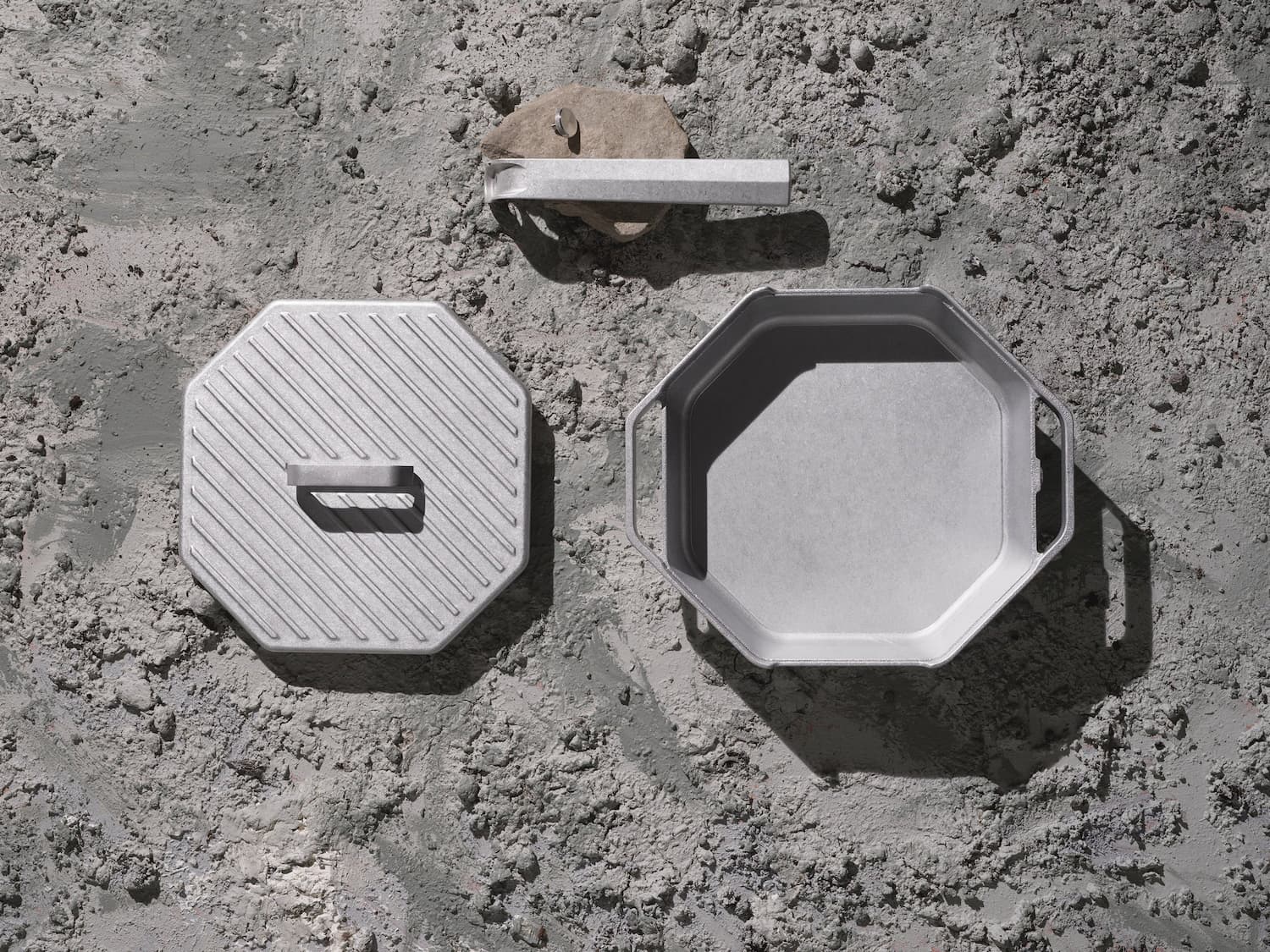
1. Flat-cast aluminum lid, sold separately.
The underside features small raised points that help circulate moisture during cooking, creating a natural self-basting effect.
This allows for more even cooking when simmering, braising, or preparing sauces directly in the pan.
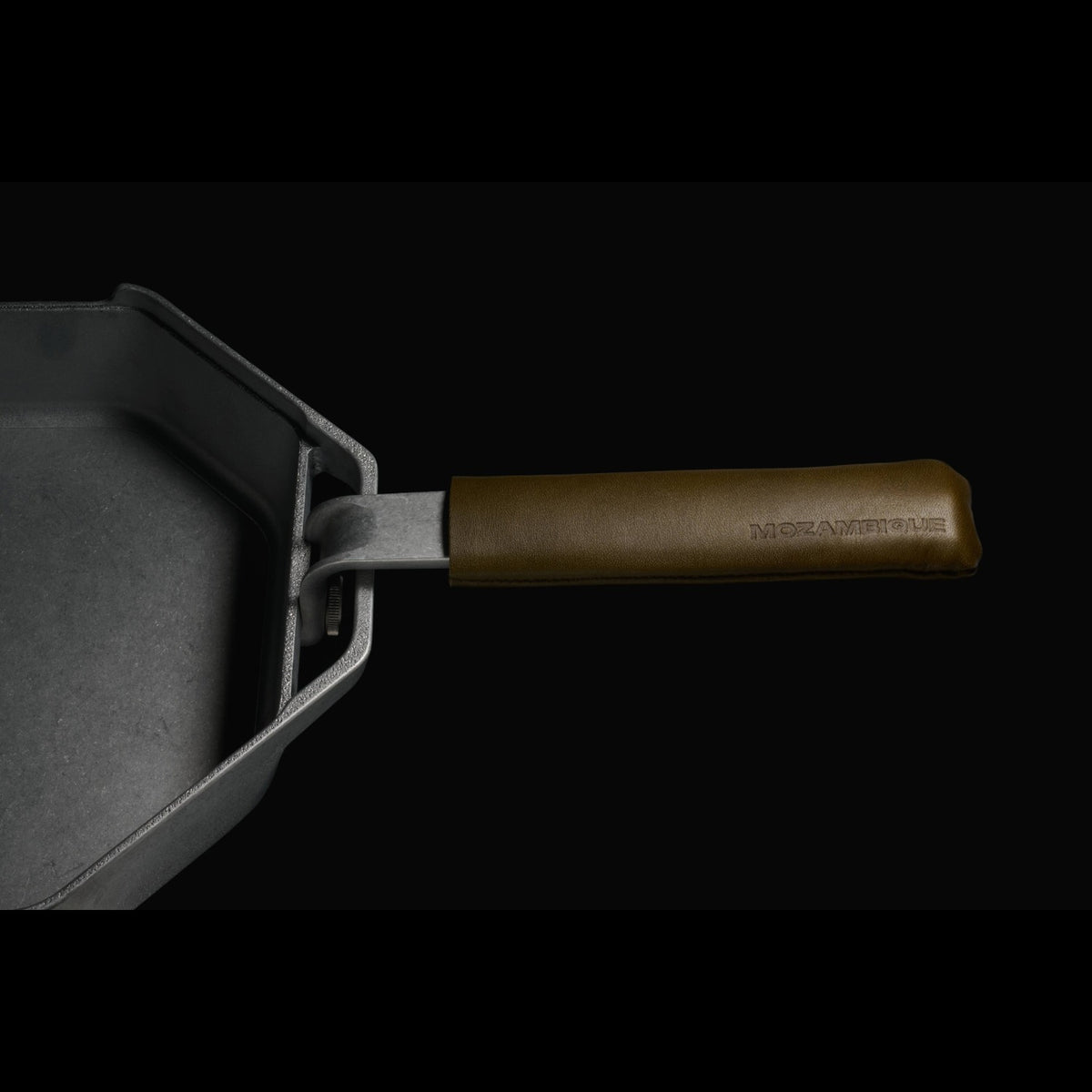
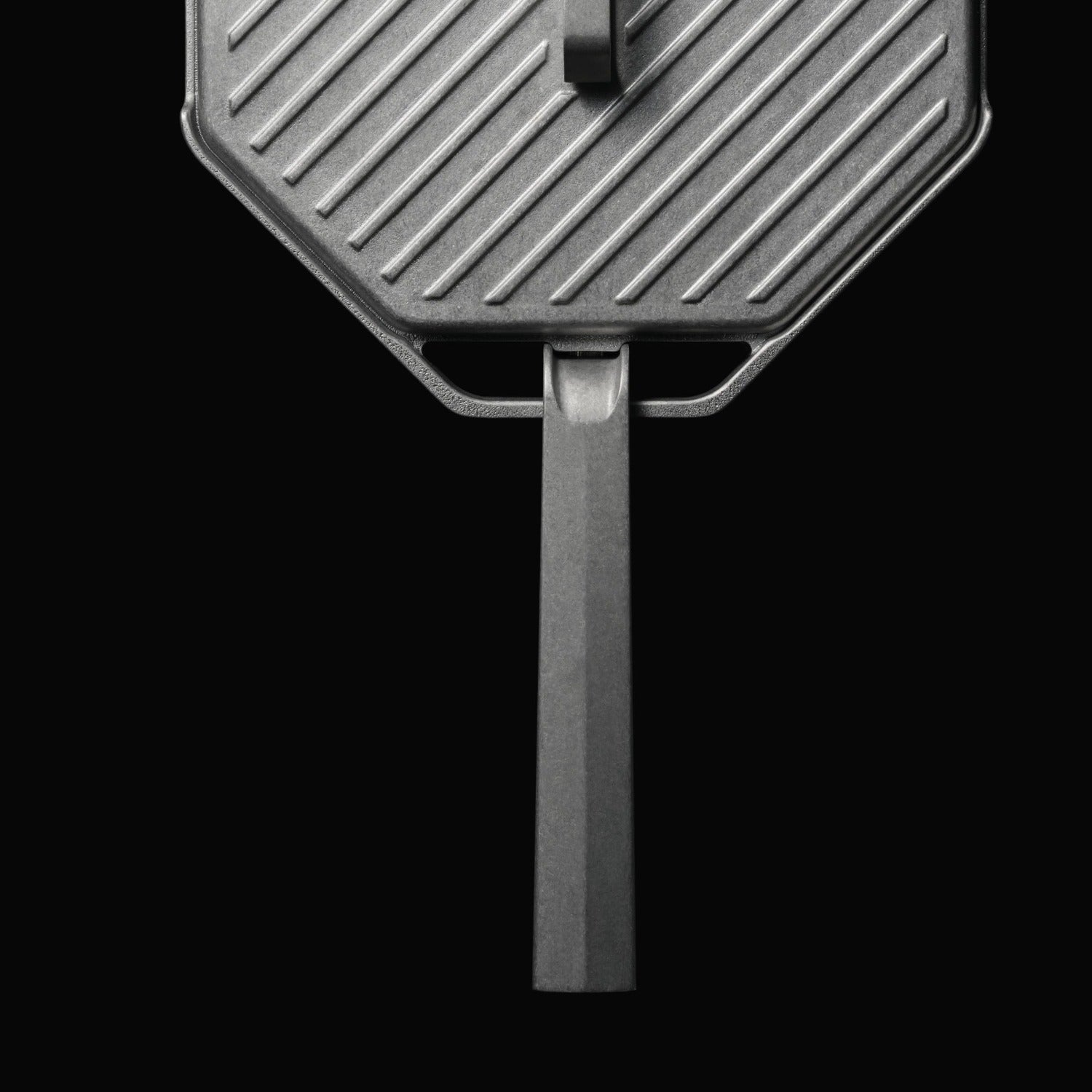
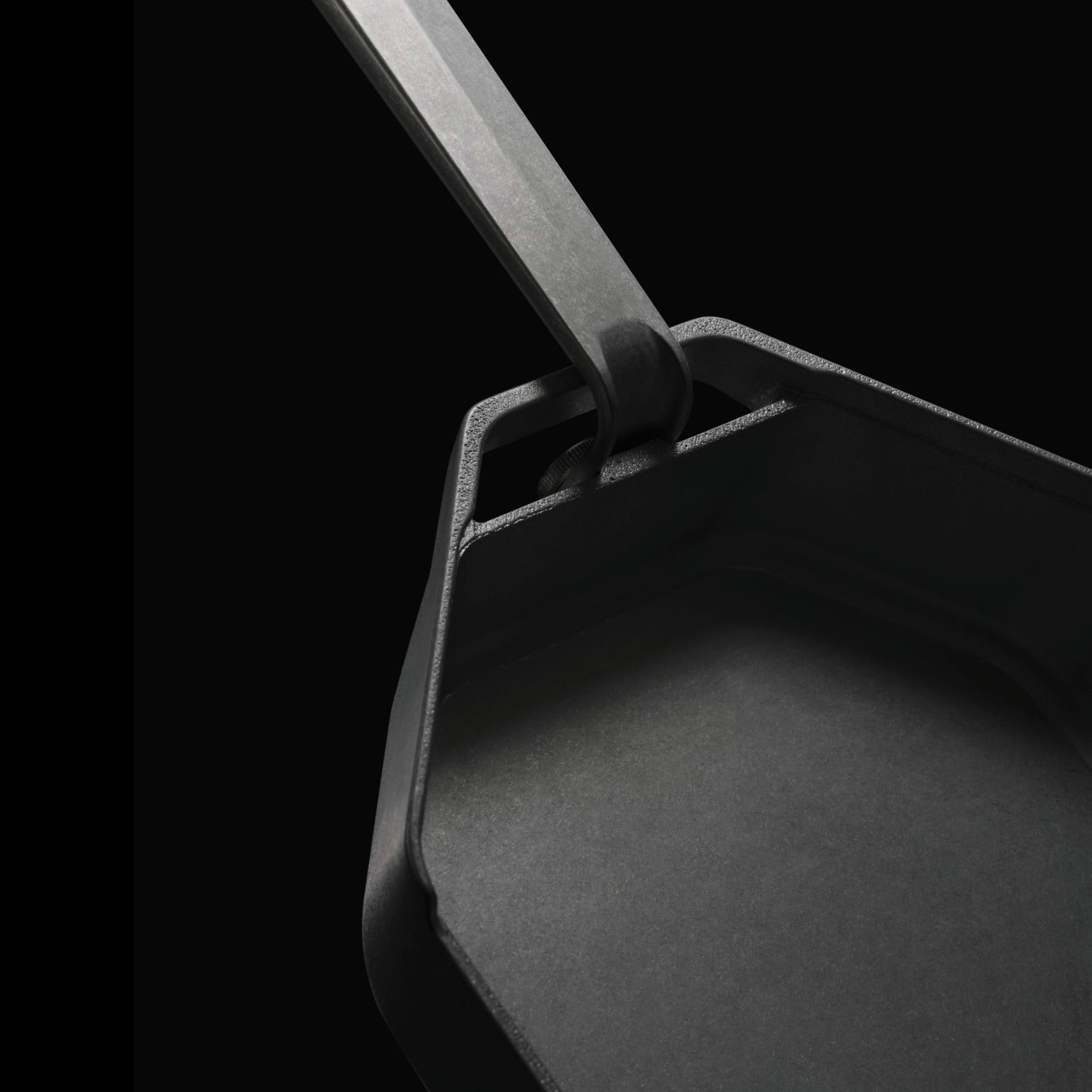
2. Cast aluminum handle, designed to be removable.
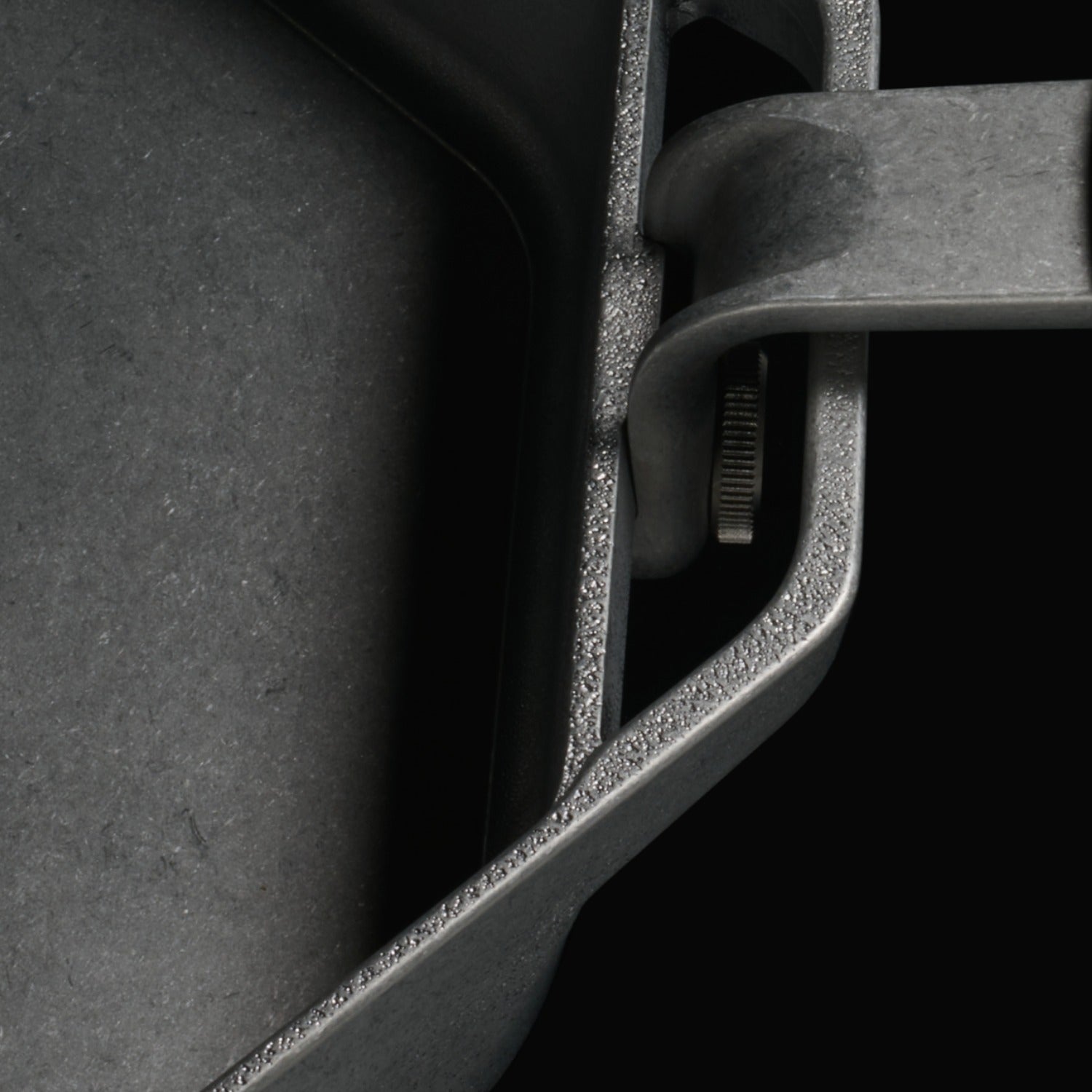
Attached with a simple screw construction, it can be easily replaced if needed — extending the lifespan of the product rather than limiting it.
3. Detachable cast aluminum handle.
Designed for a secure grip and balanced control, whether cooking on the stove or over open fire. The removable construction allows the pan to adapt to different uses — from compact storage to oven cooking.
4. Cast aluminum body, 5 mm thick.
The high, straight sides expand its use beyond searing — making it suitable for frying, simmering, braising, and building sauces. Dual side handles allow the pan to be used with or without the detachable handle.
5. Stainless steel screw for handle attachment.
Designed to be mounted and removed by hand,without tools. A simple solution that supports long-term use, maintenance, and adaptability.

This product can be used with:
Open flame
Gas burners
Electric radiant cooktops
Ceramic cooktops
Ovens (up to 300 °C / 572 °F)
Note: Not for use on induction cooktops or in microwave ovens.

Everyday cleaning:
Wash with a neutral detergent and a soft sponge.
Do not use melamine sponges, or steel wool.
Stubborn residue:
Add water to the pan and bring to a boil to loosen burnt bits.
If residue remains, use a soft sponge or similar item.
Not dishwasher safe. Doing so may cause discoloration and deterioration.
After use, do not leave it for an extended period. Let it cool, then wash it promptly.

MOZAMBIQUE provides a 5-year warranty for products purchased directly through our website or from authorized sales partners. This warranty covers manufacturing defects and parts failures under normal use.
Paid repair services are also available indefinitely after the warranty period.* Paid repair services are provided to the extent that parts are available and repair technicians can be secured. If repairs cannot be accepted due to unavoidable circumstances, such as discontinuation of parts, we will notify you in advance.
If a defect covered by the warranty occurs, MOZAMBIQUE will provide an appropriate solution, including free replacement parts, repair instructions, or, where applicable, replacement of the entire product.
MOZAMBIQUE is designed to support long service life through repair and replacement rather than disposal. We recommend repair rather than replacement and have made it easy for customers to do so.

Why an Octagonal Sauté Pan, Not a Round One?
STEKA — An Octagonal Aluminum Sauté Pan
The STEKA project began by reconsidering one of cookware’s most familiar conventions: the round pan. Most frying pans are circular not only because of how they are used for cooking, but also because the shape lends itself to efficient manufacturing and mass production.
STEKA’s distinctive octagonal form was designed with a simple intention: to create a pan that you would want to leave visible in the kitchen, even when it is not in use. Because it is an everyday object, STEKA considers not only how the pan performs during cooking, but also how it lives in the room when it is no longer on the heat.
You may wonder whether an octagonal pan would be more difficult to handle. Through repeated testing and refinement, STEKA has been developed to feel as natural and easy to use as a conventional round pan.
At 5 mm thick, the aluminum body provides substantial heat retention while remaining significantly lighter than a comparable cast-iron pan. It requires no seasoning and will not rust in the way iron does. Among uncoated cookware materials, we believe aluminum offers a particularly practical balance of manageable weight, straightforward maintenance and stable cooking performance. Its main limitation is that it is not compatible with induction cooktops.
The cast-aluminum handle is secured with a stainless steel screw rather than rivets. It can be removed easily for compact storage or oven use. If the handle is ever damaged, it can be replaced without discarding the pan, preventing a single component from determining the lifespan of the entire product.
Because the cooking surface is uncoated, there is no applied coating to peel or wear away. With appropriate care, the pan is designed to remain in use for many years.
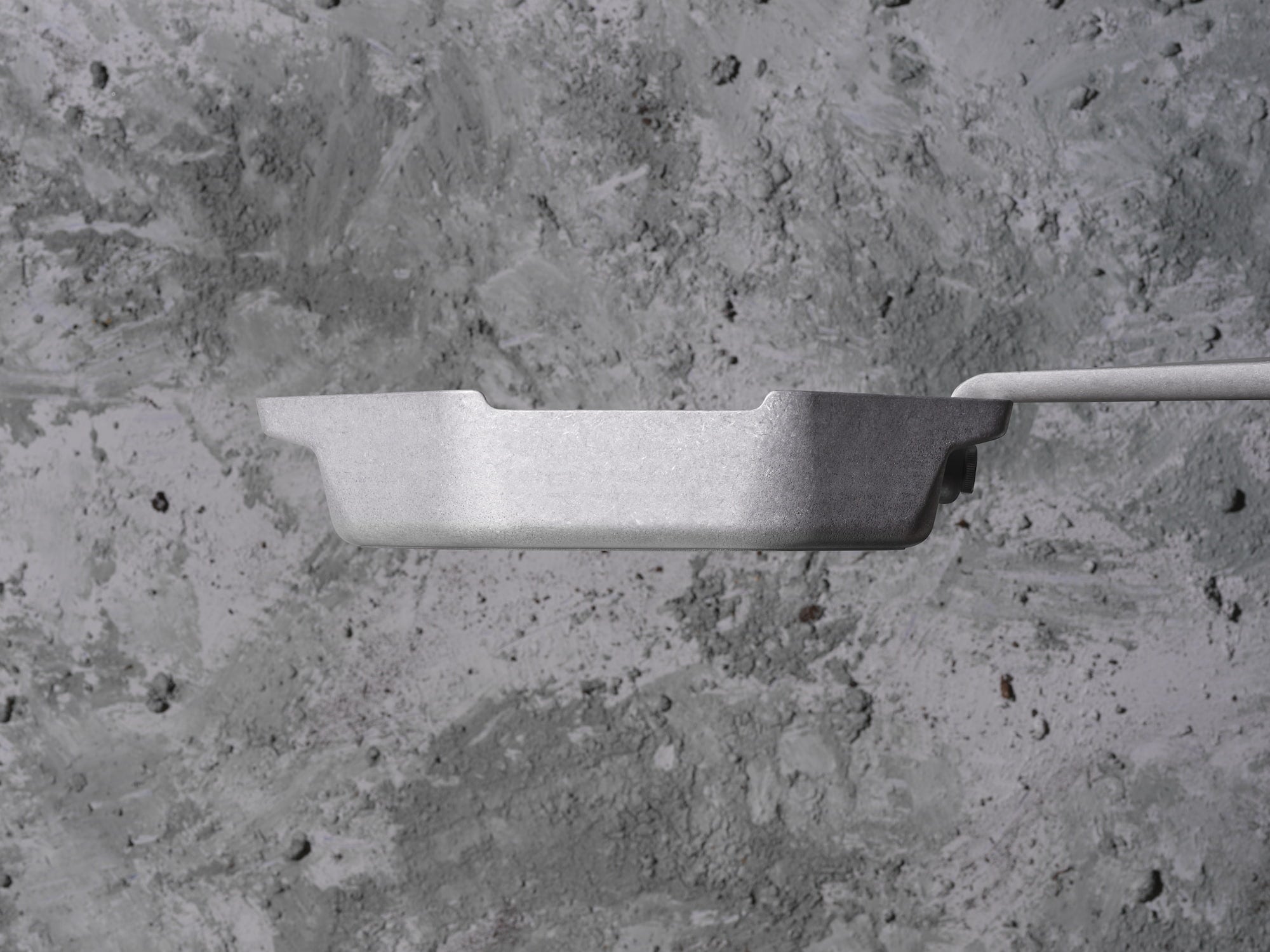
Built with a robust aluminum body, STEKA is designed for use on a gas stovetop at home as well as over an open campfire. It is intended as a seamless piece of cookware that moves naturally between the kitchen and the outdoors, without being confined to a single setting.
Designed for years of repeated exposure to heat, STEKA develops character with use and gradually becomes unique to its owner. The scratches and changes in color that accumulate over time are not treated as deterioration, but as a record of the meals, places and moments the pan has been part of.
ADDI is a Swedish design studio working with international clients, designing products, furniture, and systems for everyday use.
They don’t design from style.
They design from logic.
Each project starts with a question:
what is actually missing?
From there, the work is reduced — not visually, but structurally.
Until the object holds together in use, in
production, and over time.

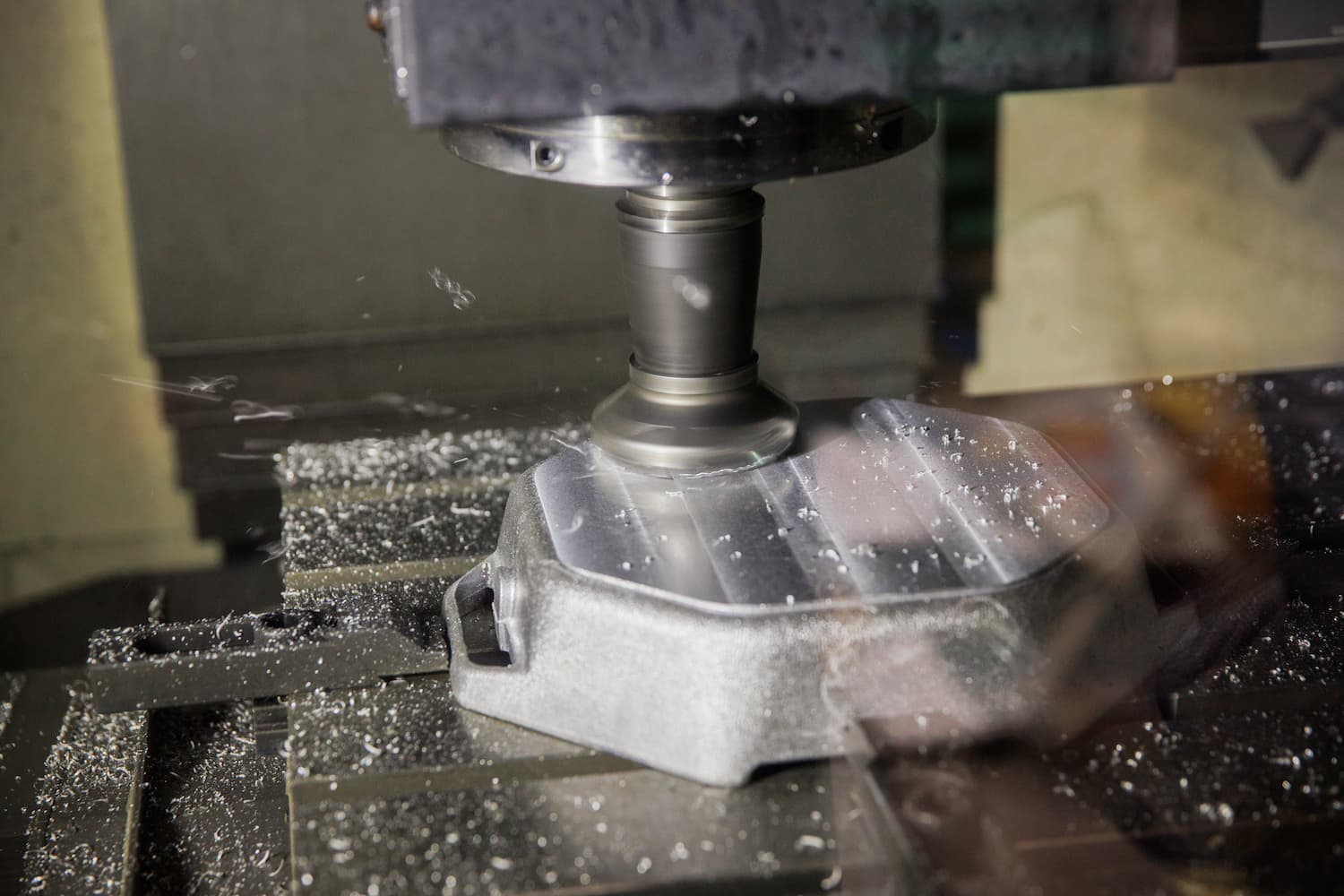
Both the cooking surface and the underside of STEKA are precision-machined using a sequence of specialized cutting tools. The cooking surface is finished to an exceptionally smooth texture. When used with the correct heat control and cooking technique, this helps reduce sticking and makes cleaning more straightforward.
The underside is machined to create a flat, level base, helping oil spread more evenly across the cooking surface rather than pooling in one area.
STEKA is made with the level of machining and finishing expected of a precision tool, rather than a commodity pan optimized for high-volume production.
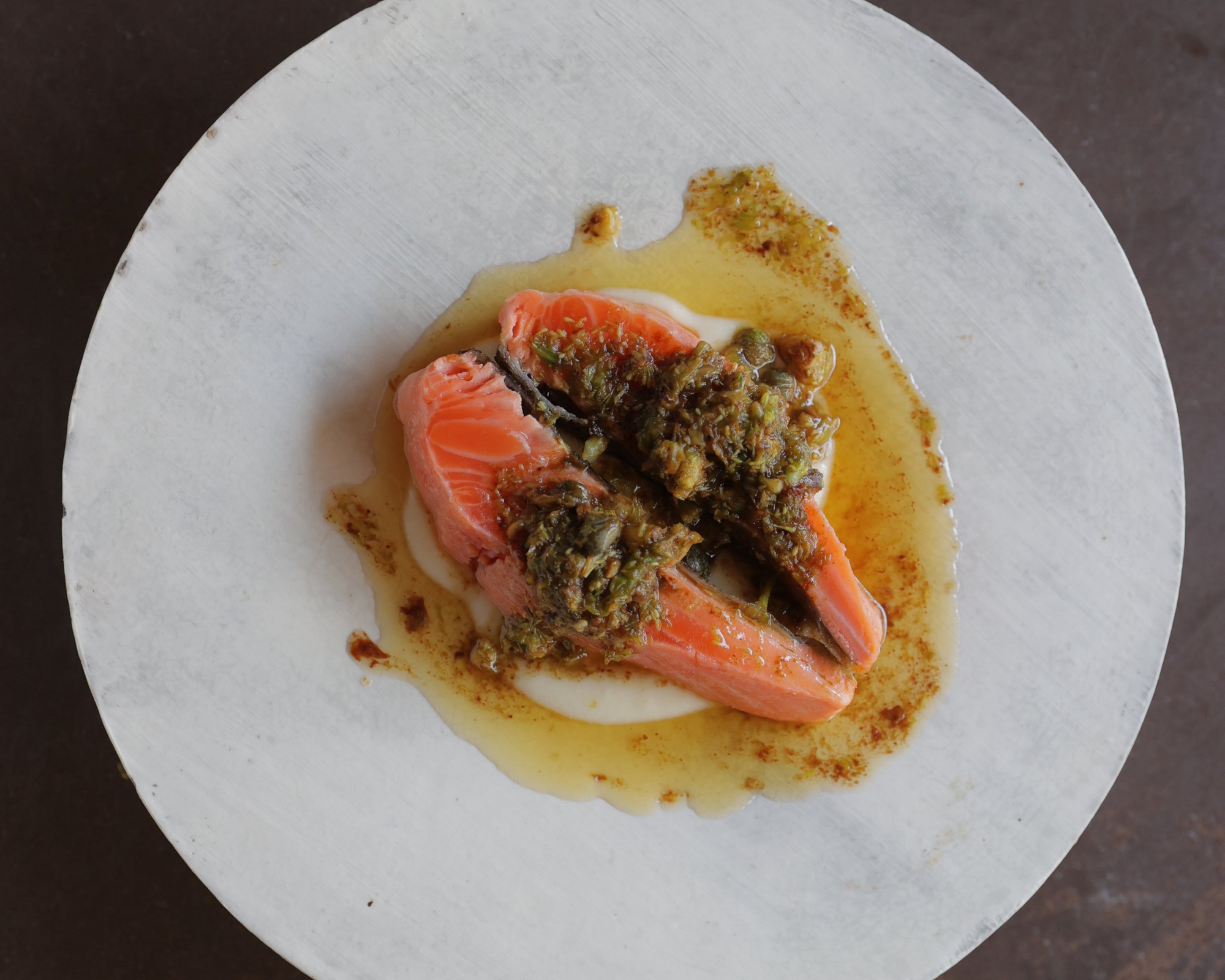
STEKA is designed not only for everyday cooking, but also for serious cooking where control, heat retention and versatility matter.
The body and handle are cast in solid aluminum. This provides the heat retention needed for proper searing, while remaining significantly lighter than traditional cast iron. The entire surface heats evenly and responds quickly to changes in temperature.
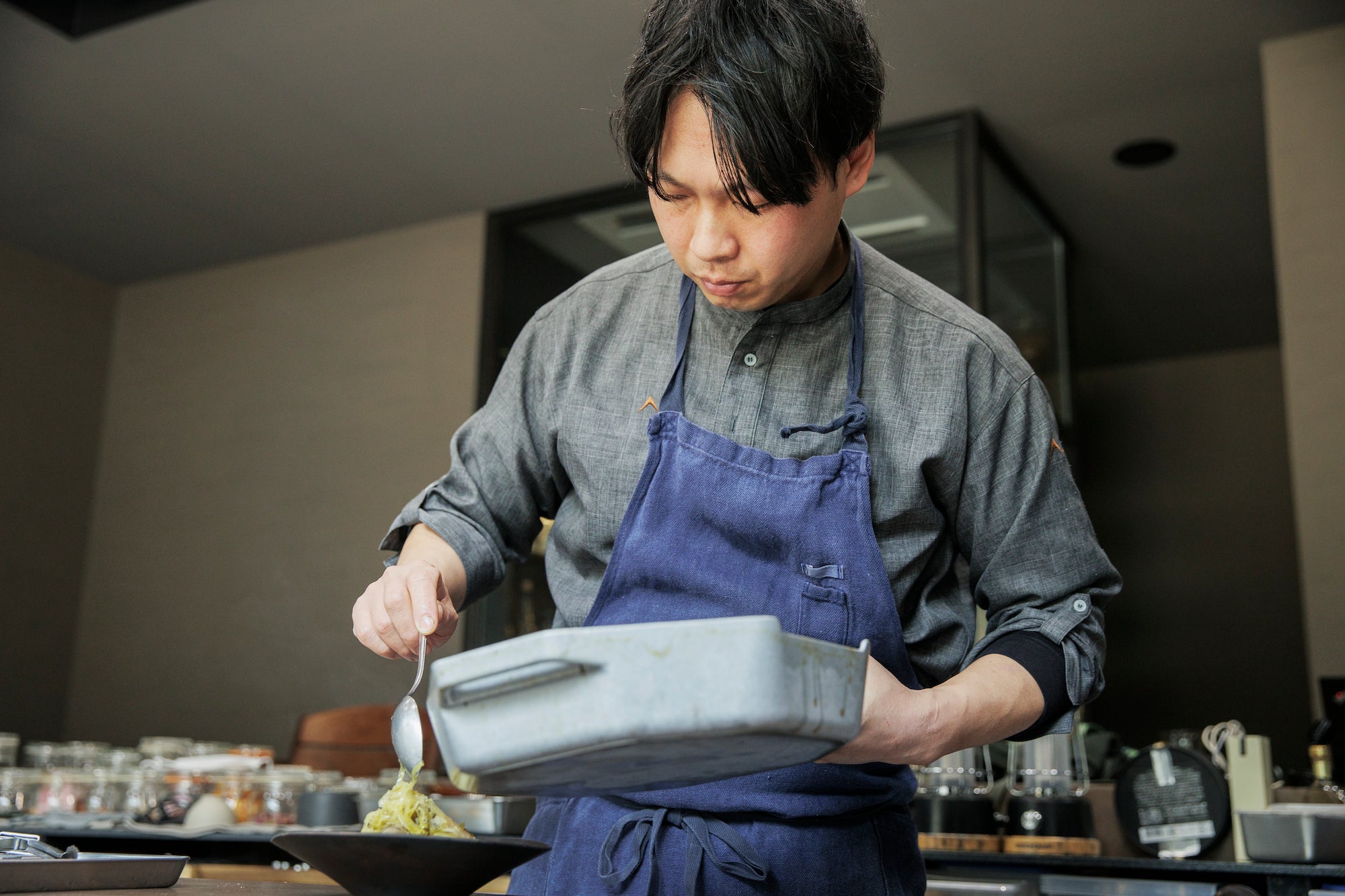
For this recipe development, we worked with chef Kohei Horiuchi, Grand Prix winner of RED U-35 2021, known as the RED EGG, who runs an auberge in the northern foothills of Mount Fuji.
The recipes were created to make full use of STEKA’s characteristics. One pan. A complete sequence of cooking. Searing, simmering and steaming — covering the situations in which STEKA is designed to perform.
In developing the recipes, the starting point was to understand the characteristics of the pan itself, and then consider how people would use it in real situations. The chef reflected each use case into the dishes: cooking at home, using the pan outdoors, making a dish that can be completed in one pan, and using the removable handle to place the pan in the oven for long cooking.
We asked chef Horiuchi about the background to the recipe development, the qualities of uncoated cookware, and how STEKA can be used in the home kitchen.
Read the interview
Gallery
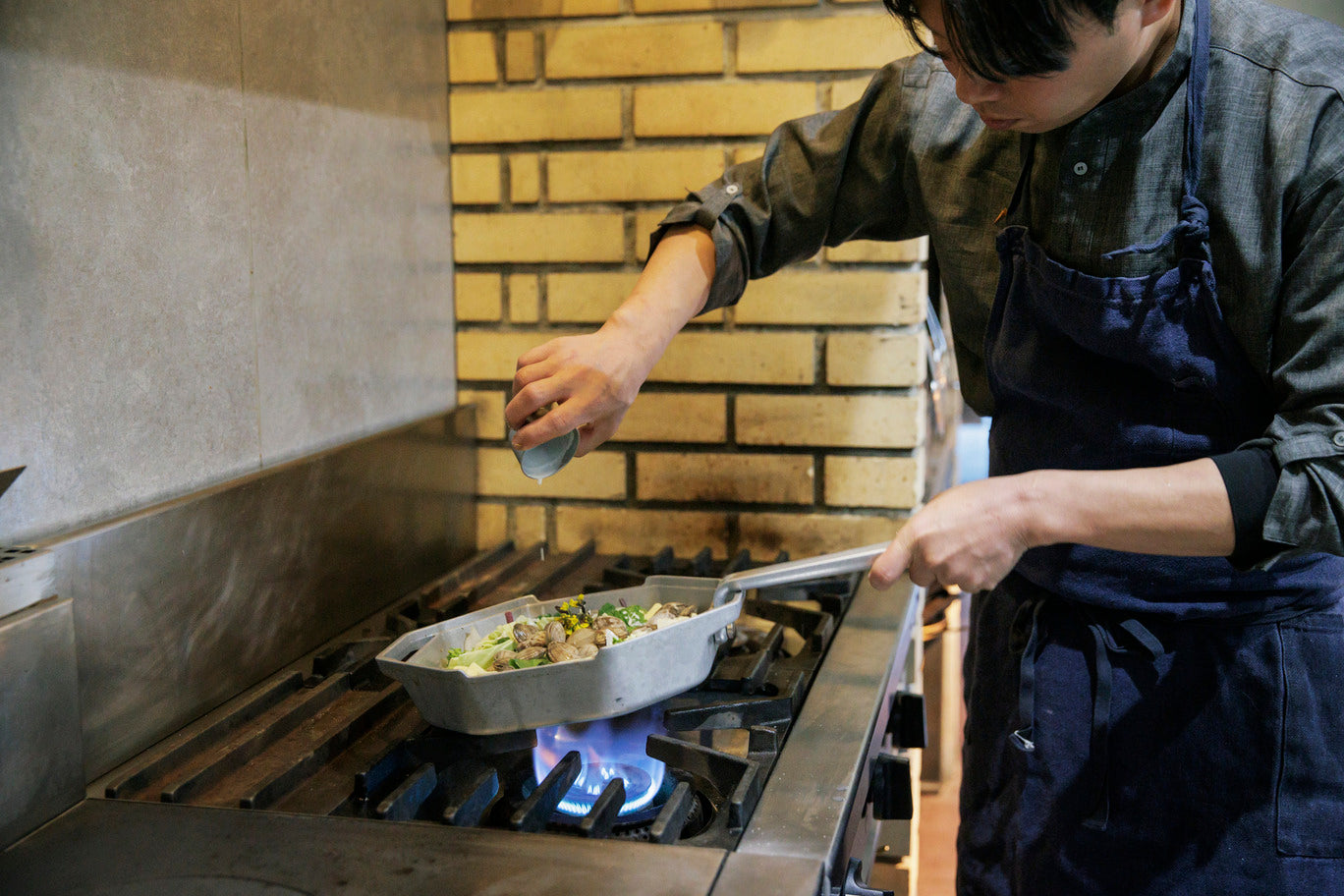
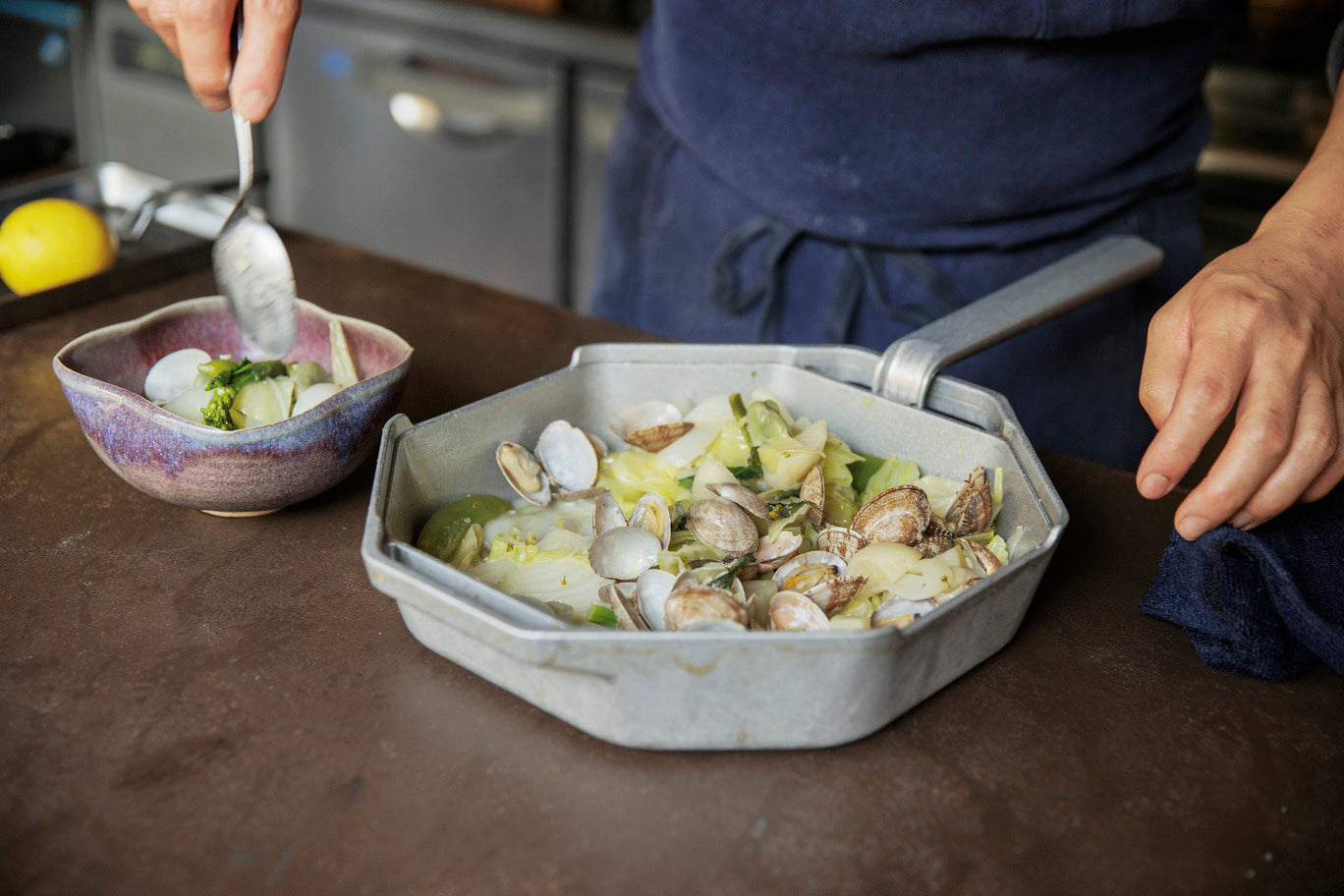
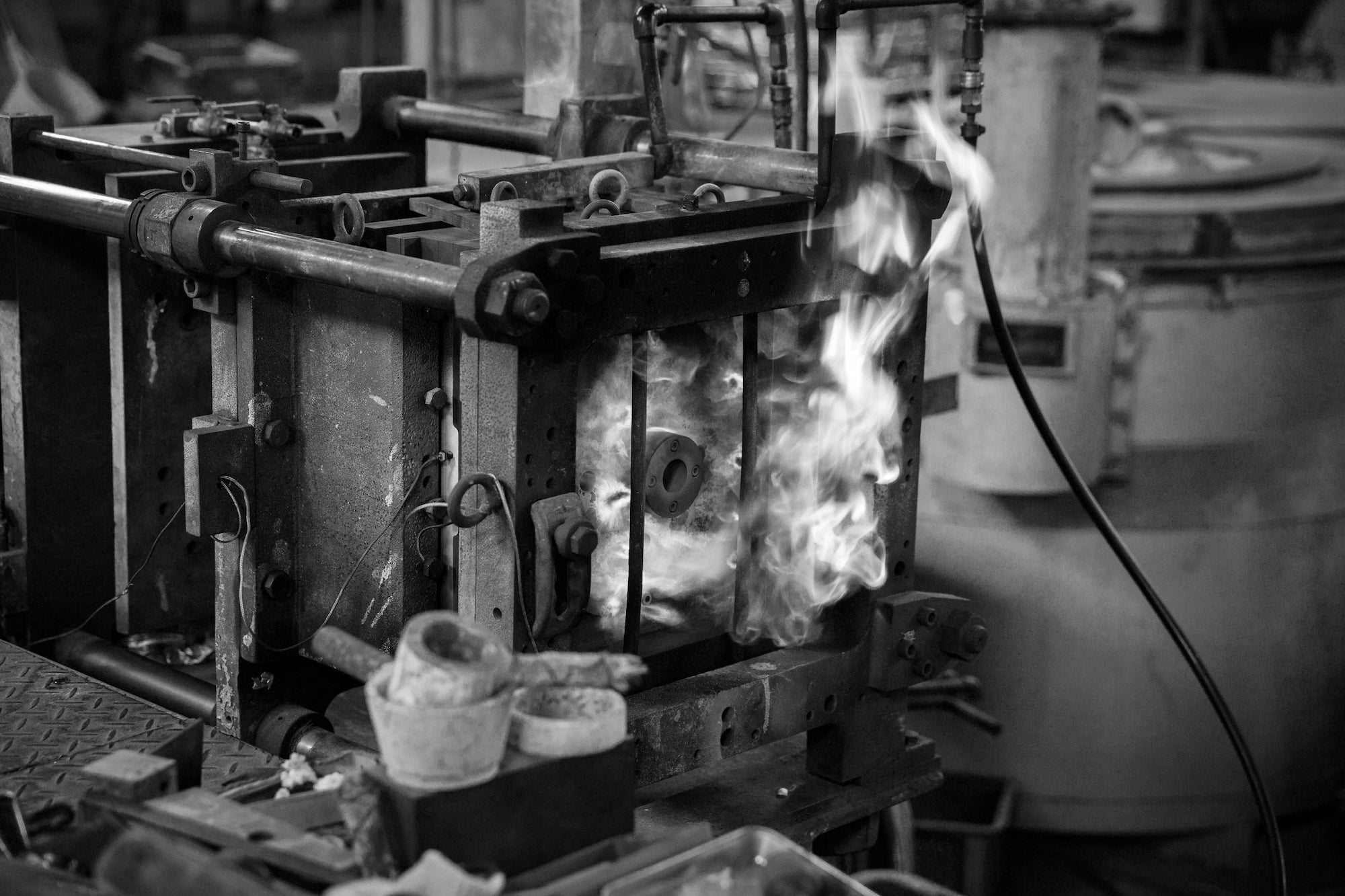
When developing STEKA, we initially approached several manufacturers, but finding a factory willing to take on the project was not easy.
The product demanded an exceptional level of technical expertise, precision and labor.
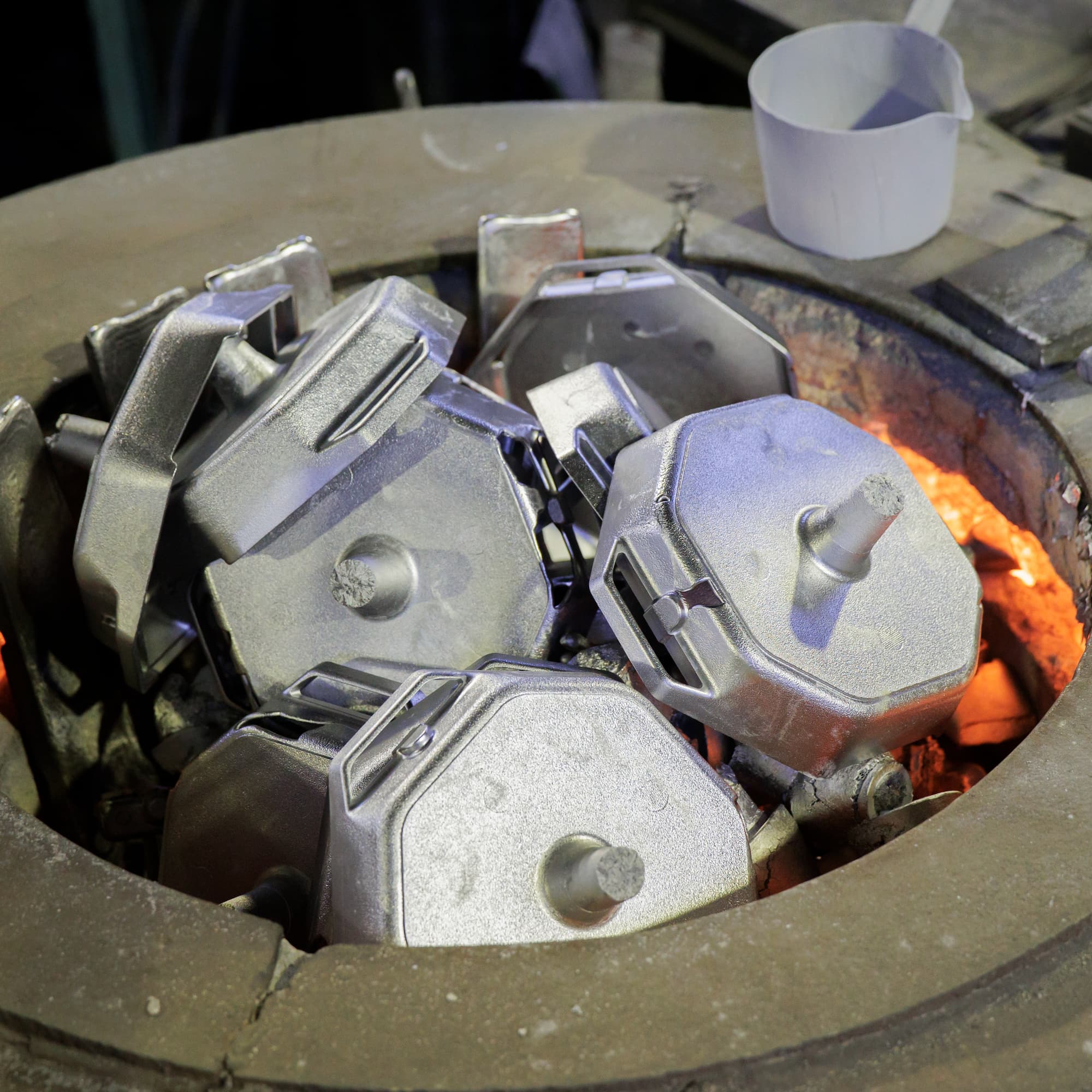
We therefore sought out specialists in each field and established a dedicated production line. After repeated prototypes, refinements and setbacks, it took three years to bring STEKA to completion.
The result achieves dimensional accuracy and attention to detail that go far beyond conventional casting tolerances, challenging expectations of what is possible with cast aluminum. Because STEKA is designed to remain in use for many years, every detail has been considered and refined without compromise.
Aluminum Cast STEKA Lid — sold separately.
With its balanced weight and excellent sealing performance, the STEKA Lid locks in heat and enhances the natural flavors of ingredients.
The textured underside features a self-basting design that continuously circulates moisture, helping dishes cook more evenly and develop richer flavor.
It is equally suited for steaming, braising, and Dutch oven-style cooking.
EXPLORE RECIPES
STEKA is made from high-purity aluminum produced in Japan, consisting of 98% aluminum and 2% silicon.
Because the material comes into direct contact with food, material safety is a priority. It has passed migration testing conducted in accordance with Japanese food-contact safety standards.
RELATED PRODUCTS
Swedish design thinking.
Japanese craftsmanship.
The objects are developed through a dialogue between two traditions.
From Sweden comes a way of thinking that values restraint — reducing form to what is necessary, and allowing function to guide every decision. From Japan comes a deep respect for making — where knowledge is built over time, and precision is carried through every step of the process.
Neither approach stands alone. It is in their meeting that the work takes shape.
Each object begins as an idea, but is refined through material, through handling, and through the hands that shape it. What starts as a line or a proportion is gradually adjusted, tested, and resolved in collaboration with the craftsmen who bring it into form.
This balance between intention and execution defines Mozambique.
Design and making, considered as one.