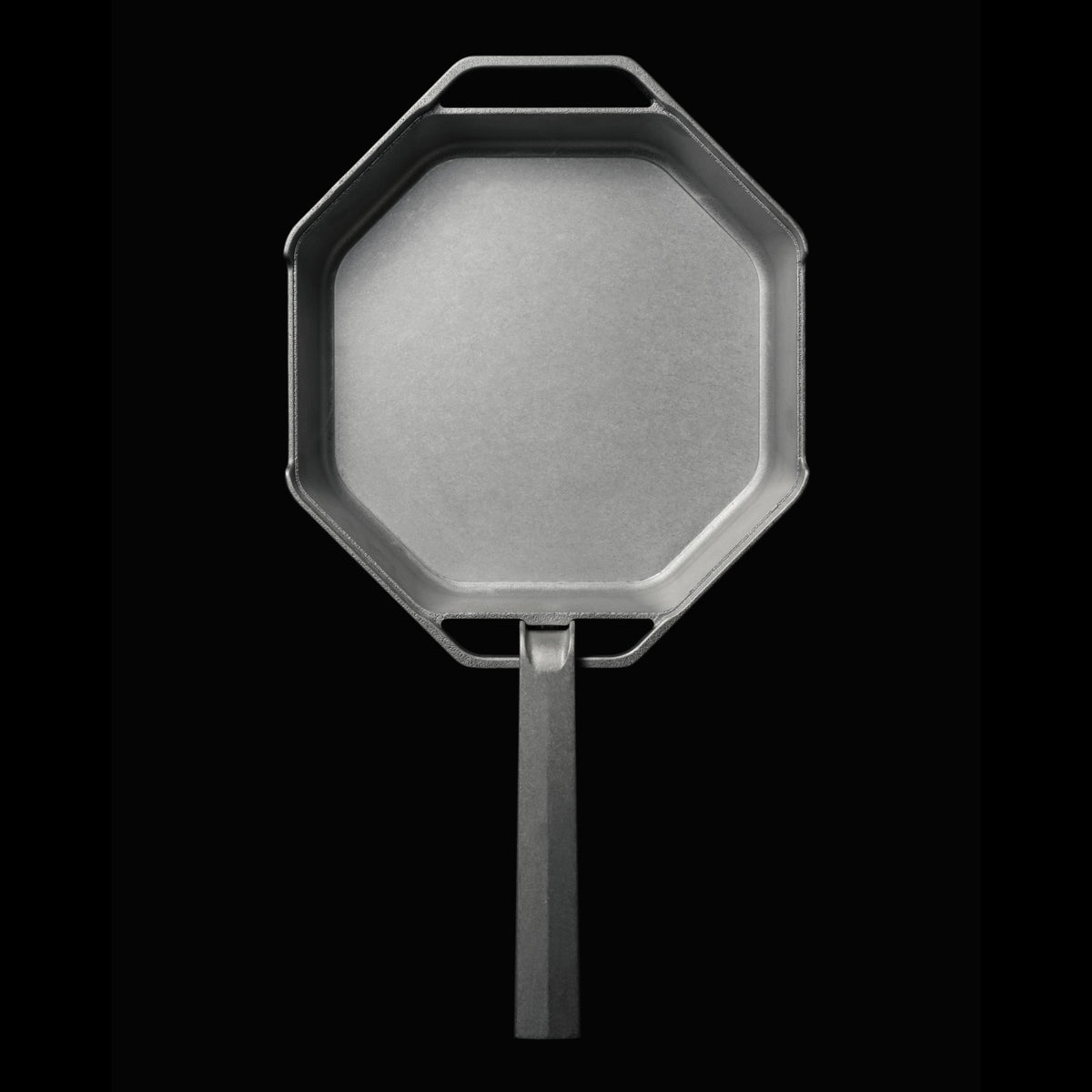
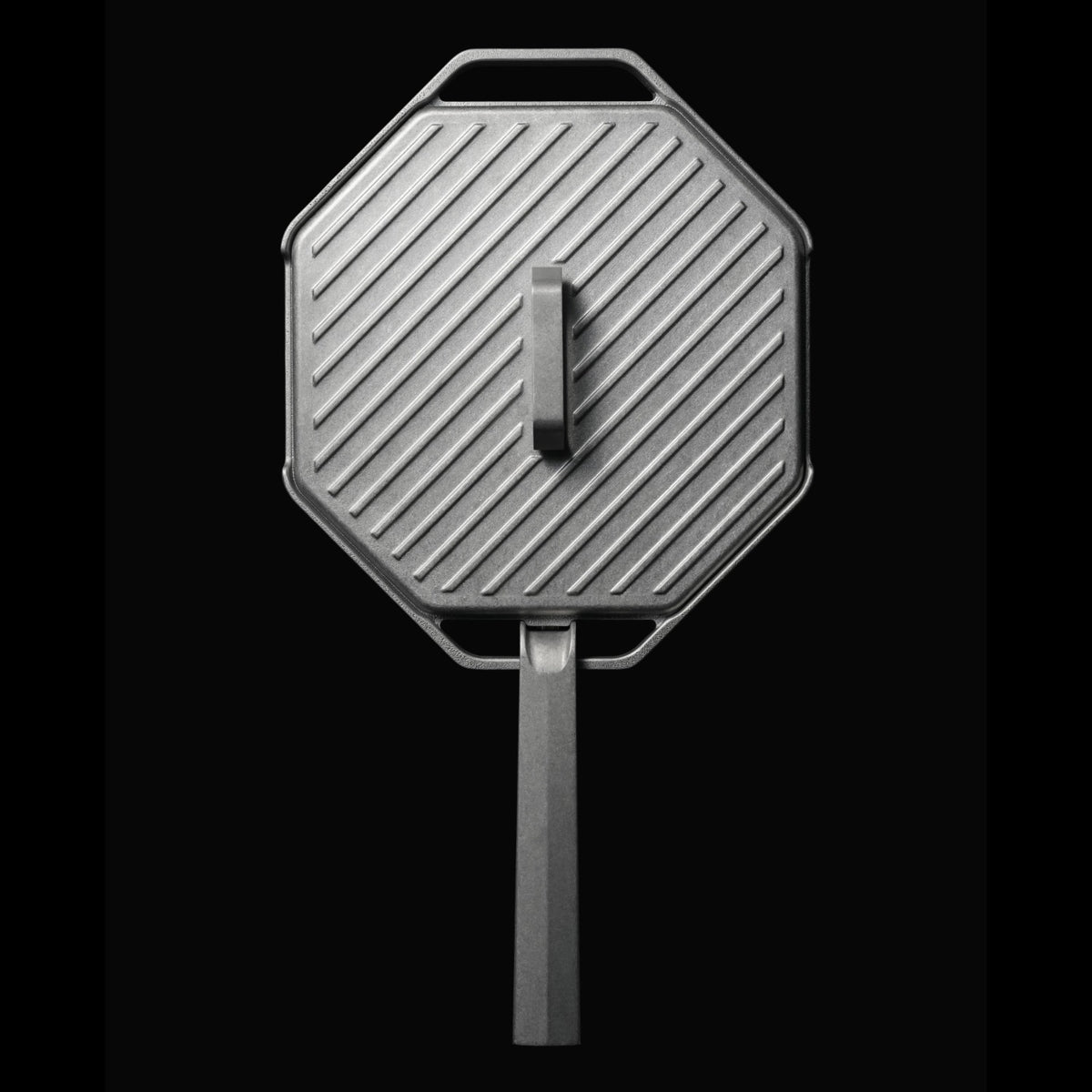
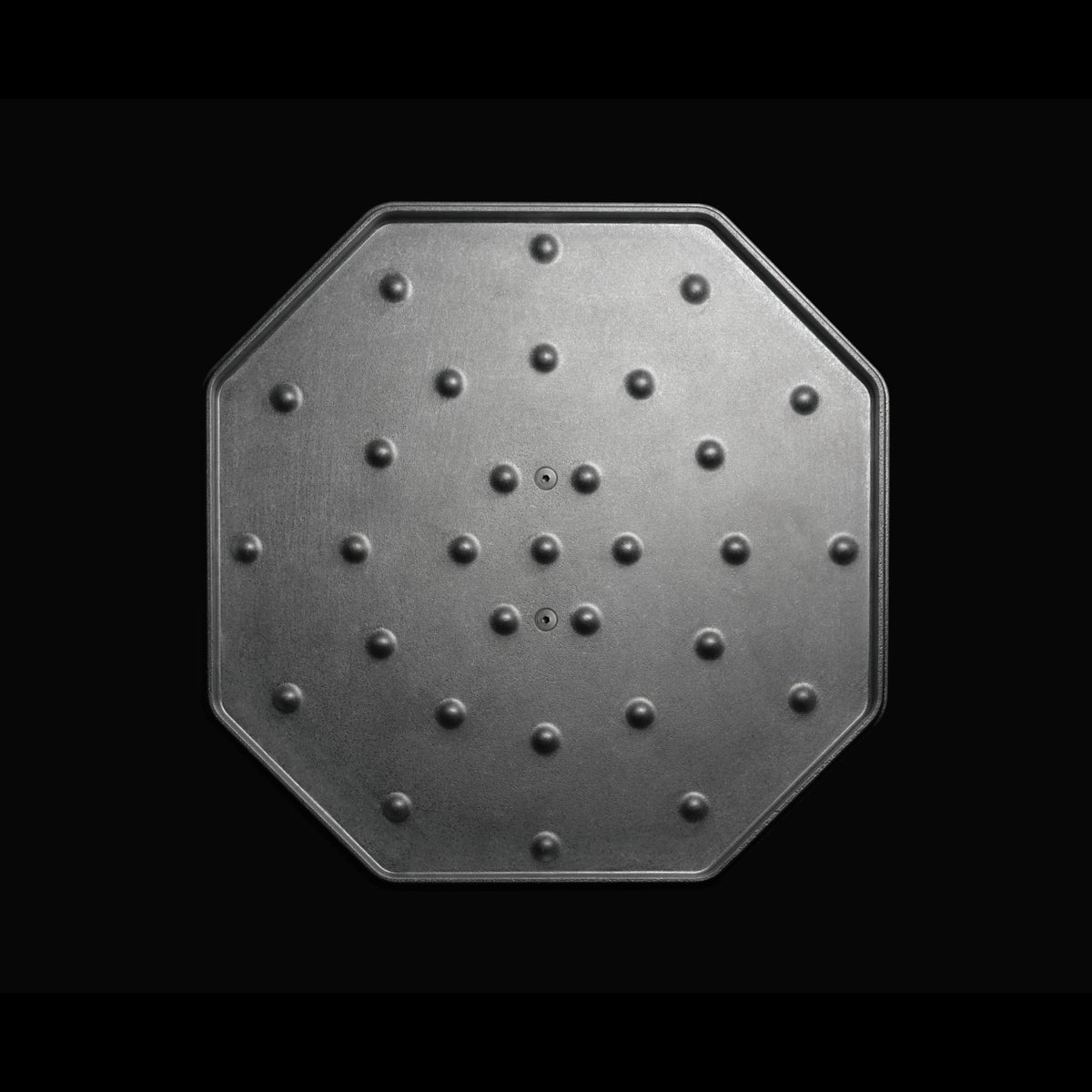
Memories as Cuisine, Memories as Tools.
Part.1
What MOZAMBIQUE values is not mere convenience, but tools that accumulate memories with each use — objects you want to keep close for years to come. The chef we visited today translates everything into his cooking: the nature of the Fuji foothills, memories from childhood, the land where he and his brother grew up, the meals their mother made for them. This way of thinking — weaving personal memory into a course meal — resonates deeply with the idea of crafting tools whose value deepens through experience. We asked him to cook with STEKA, and spoke with him about what matters when he conceives a dish, what it means to cook in this place, and where he sees the potential of this tool.
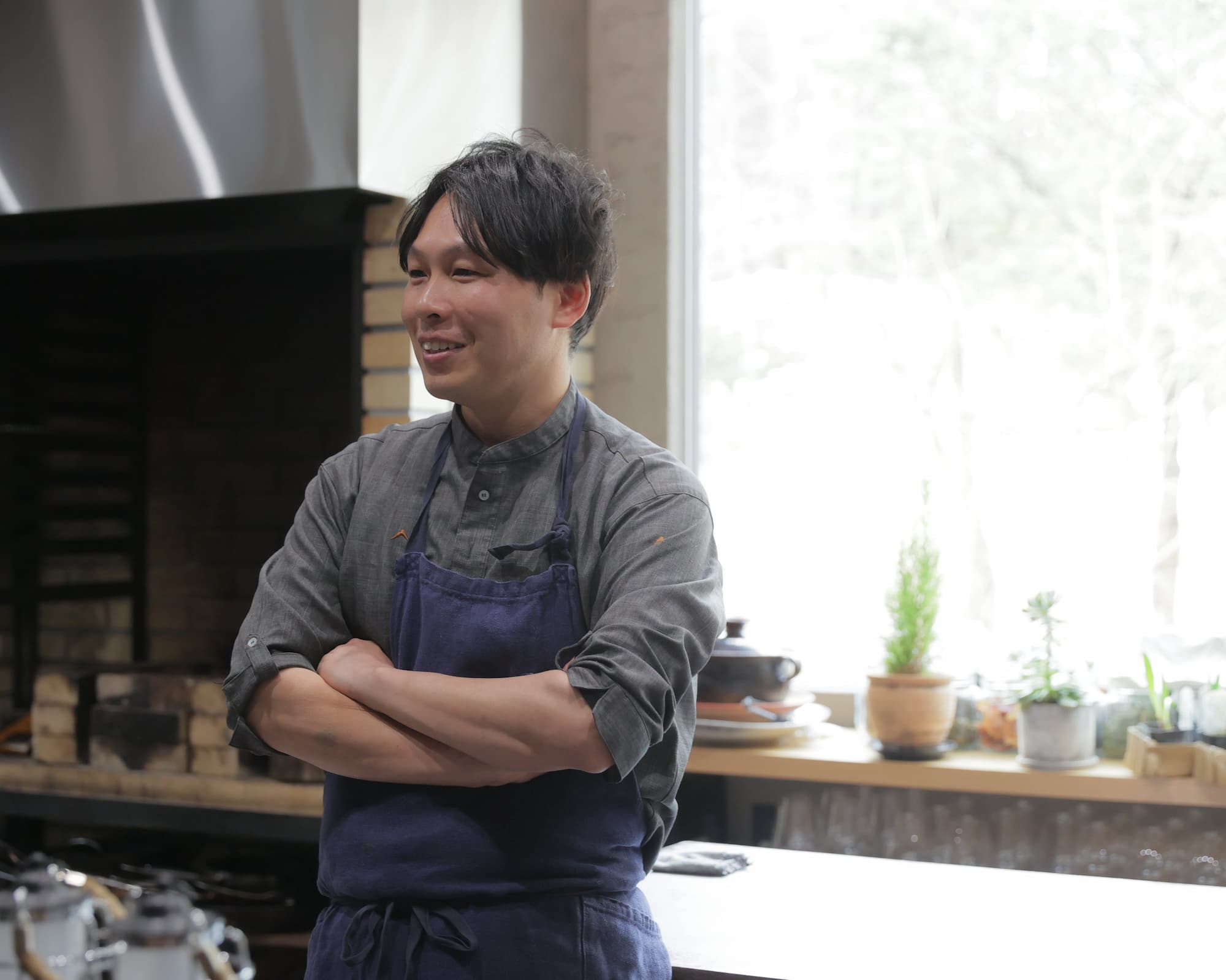
Owner-Chef: Kohei Horiuchi
nôtori
nôtori is a restaurant and auberge in Oshino Village, Yamanashi Prefecture, named after nōtori — the spring symbol of Mount Fuji. Officially described as "Fuji Foothills Cuisine, Woven by Two Brothers," the restaurant centers on local Yamanashi ingredients, translating the nature and memories of this land into both its food and its hospitality.Note: "Nōtori" refers to a snow formation that appears on the Yamanashi side of Mount Fuji each spring, as the snowmelt reveals a pattern resembling a bird in flight.3192-8 Oshino-kusa, Oshino Village, Minamitsuru District, Yamanashi Prefecture
Instagram: @notori_fuji
Owner-Chef: Kohei HoriuchiAfter a decade of training in Tokyo, Horiuchi traveled to France in his thirties to hone his craft at La Grenouillère. Upon returning to Japan, while working as head chef at a Tokyo restaurant, he won the Grand Prix (RED EGG) at RED U-35 2021, one of Japan's largest culinary competitions. He subsequently returned to his hometown in the Fuji foothills, worked as a freelance chef, and eventually opened nôtori.
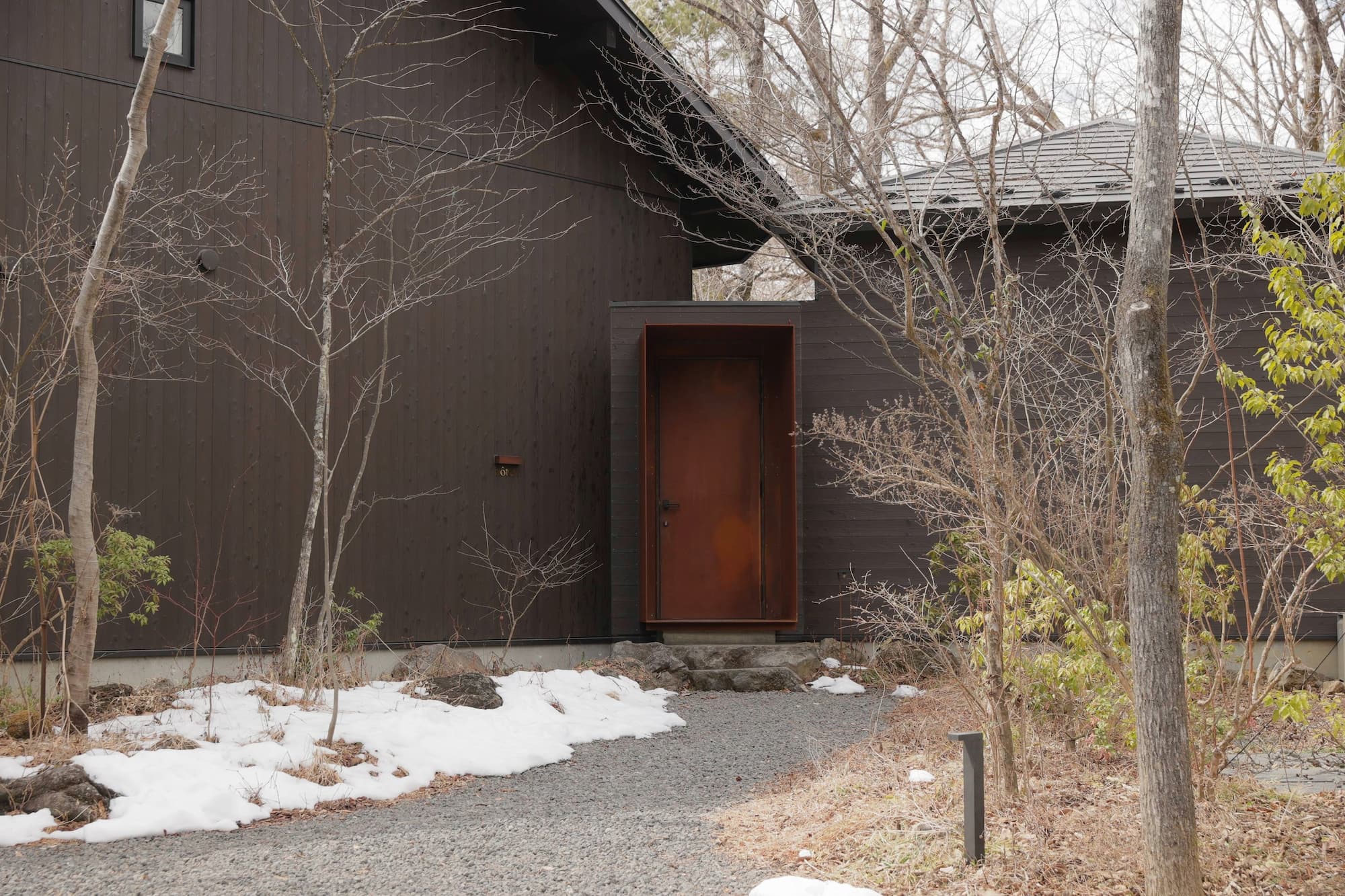
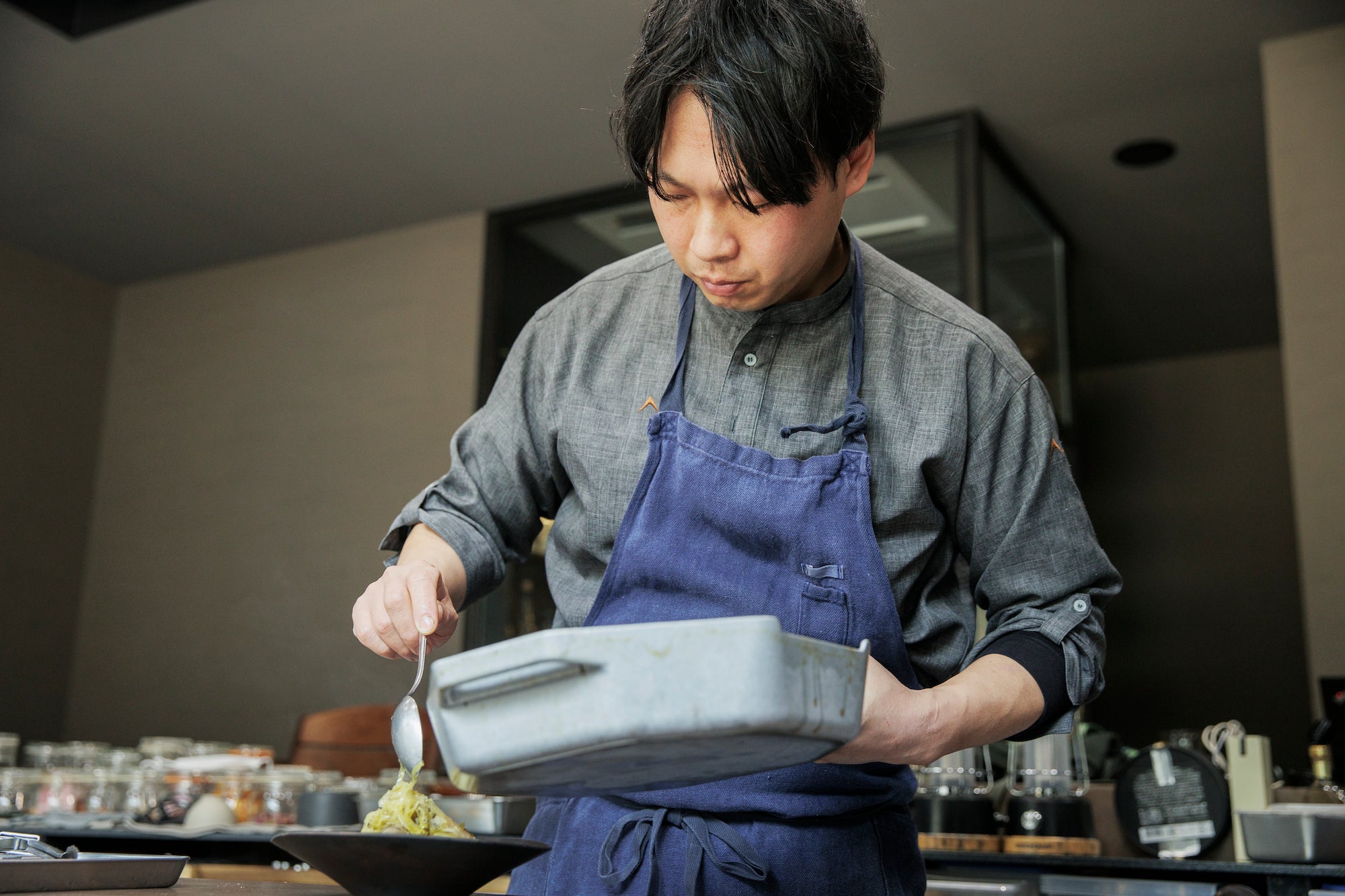
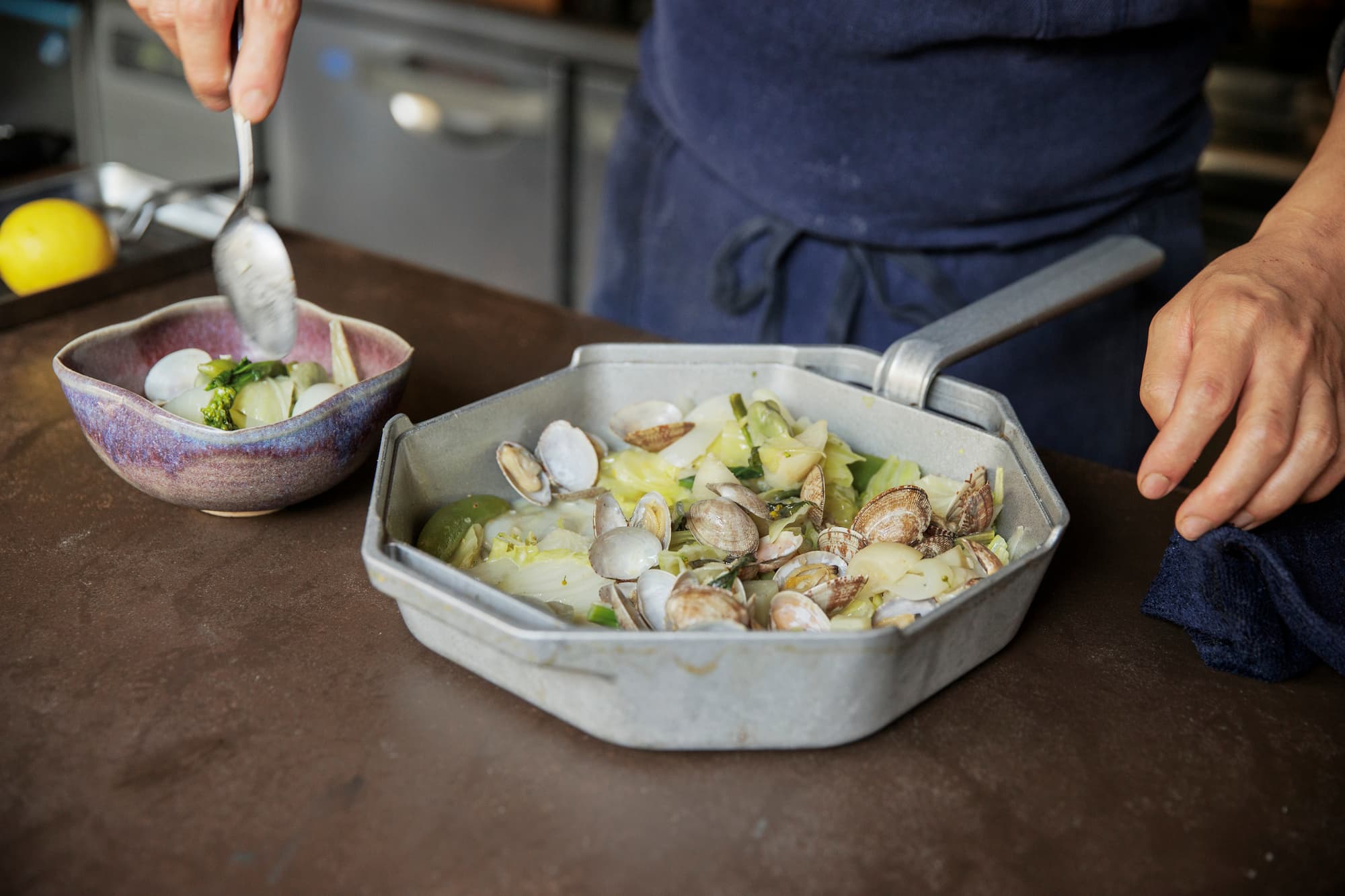
Part One | On Cooking in the Fuji Foothills
How does a chef bring the nature and memory of this land to life on a plate? We asked nôtori's head chef about what drew him to cooking, what guides his creative process, and what it means to cook in this particular place.
— Let's start at the beginning. What made you want to become a chef?
I was always a big kid who loved eating. And growing up around here — there really wasn't a single restaurant in the area when I was young. Maybe when I was in fifth or sixth grade, an Italian place opened up in the forest, and my family went. The pizza they served wasn't round — it was square. I remember thinking, "Wait, pizza is supposed to be round." And they weren't even calling it pizza, they were calling it pizza in the Italian way. I was completely bewildered. That was the moment I decided I wanted to be an Italian chef.
But a teacher at culinary school told me: "French technique can be applied to Italian cooking, but not the other way around. You should start with French." So that's the direction I took.
— Were you cooking for yourself as a kid?
From around elementary school, I'd see something on TV that looked delicious and try to make it myself. Curry was a big obsession in middle school. This was before spiced curry became trendy, so I was just experimenting with whatever condiments I had. I'd try adding chocolate, or Worcestershire sauce, or chopped fruit — not because I'd read it anywhere, just because I thought it might work.
— Where do your ideas for dishes come from?
There are many entry points. Sometimes it starts with an ingredient — I taste something, and an impression forms that connects with things I've eaten in the past, and a dish comes together from that. Other times it's a landscape I happen to see while living here: the beauty of Mount Fuji, the quality of the nature, a shape I notice while walking through the forest. Something strikes me as beautiful, and it eventually finds its way into a dish. It's like ideas come from all different directions, and then suddenly they connect.
— Do you pay attention to trends?
Not intentionally. But information finds you regardless — images and new dishes flood through social media whether you seek them out or not. However much I resist, I'm probably being pulled along without realizing it. You can think you're making something purely your own, and then step back and see the influence.
At the same time, if you overthink it, you can't make anything. You end up just trying to be strange for strangeness's sake, and I don't want to go there. Chasing novelty above all else tends to push both flavor and the guest out of the picture. I try to stay grounded — make what I think is delicious, and let the rest follow naturally.
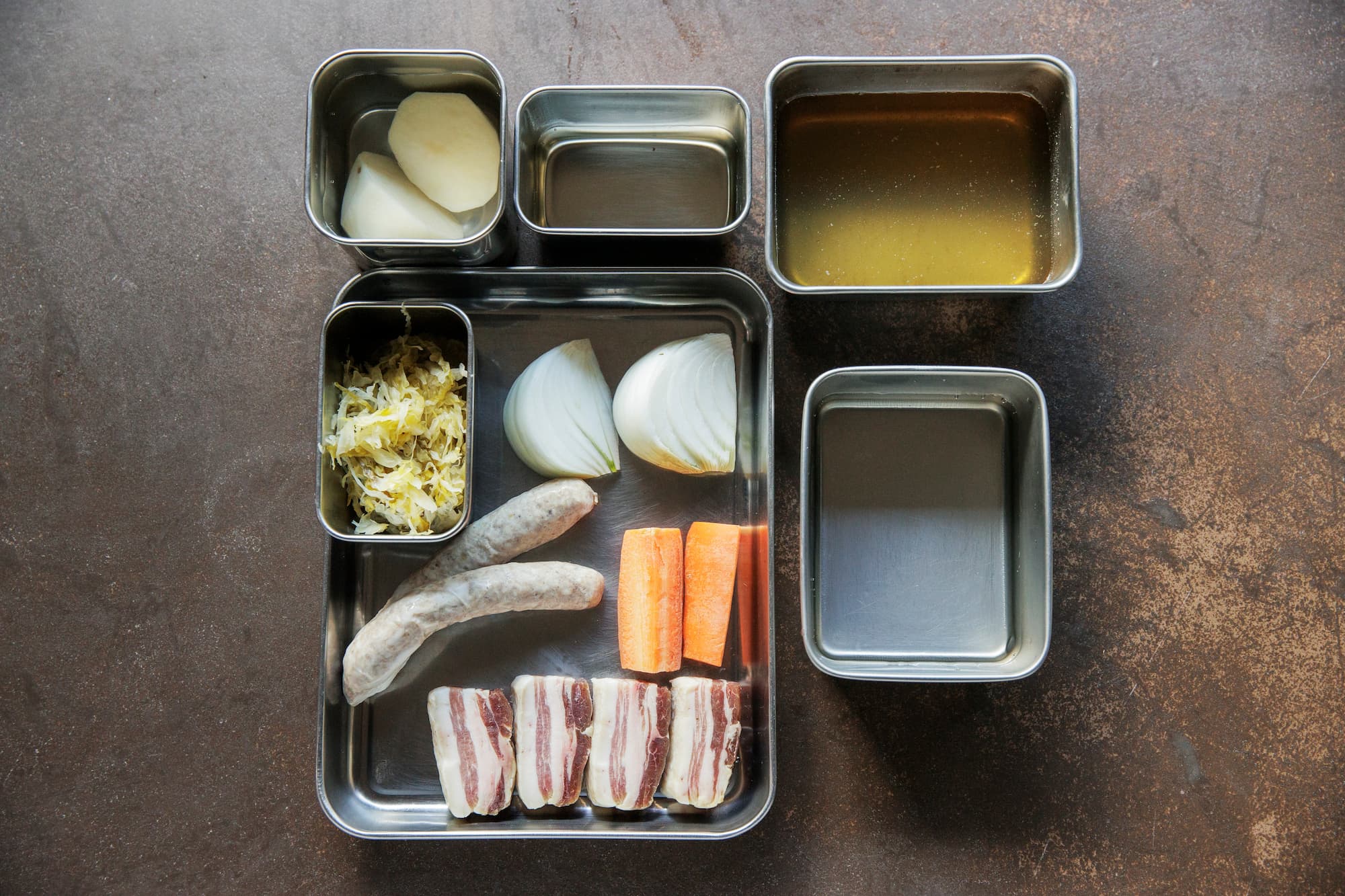
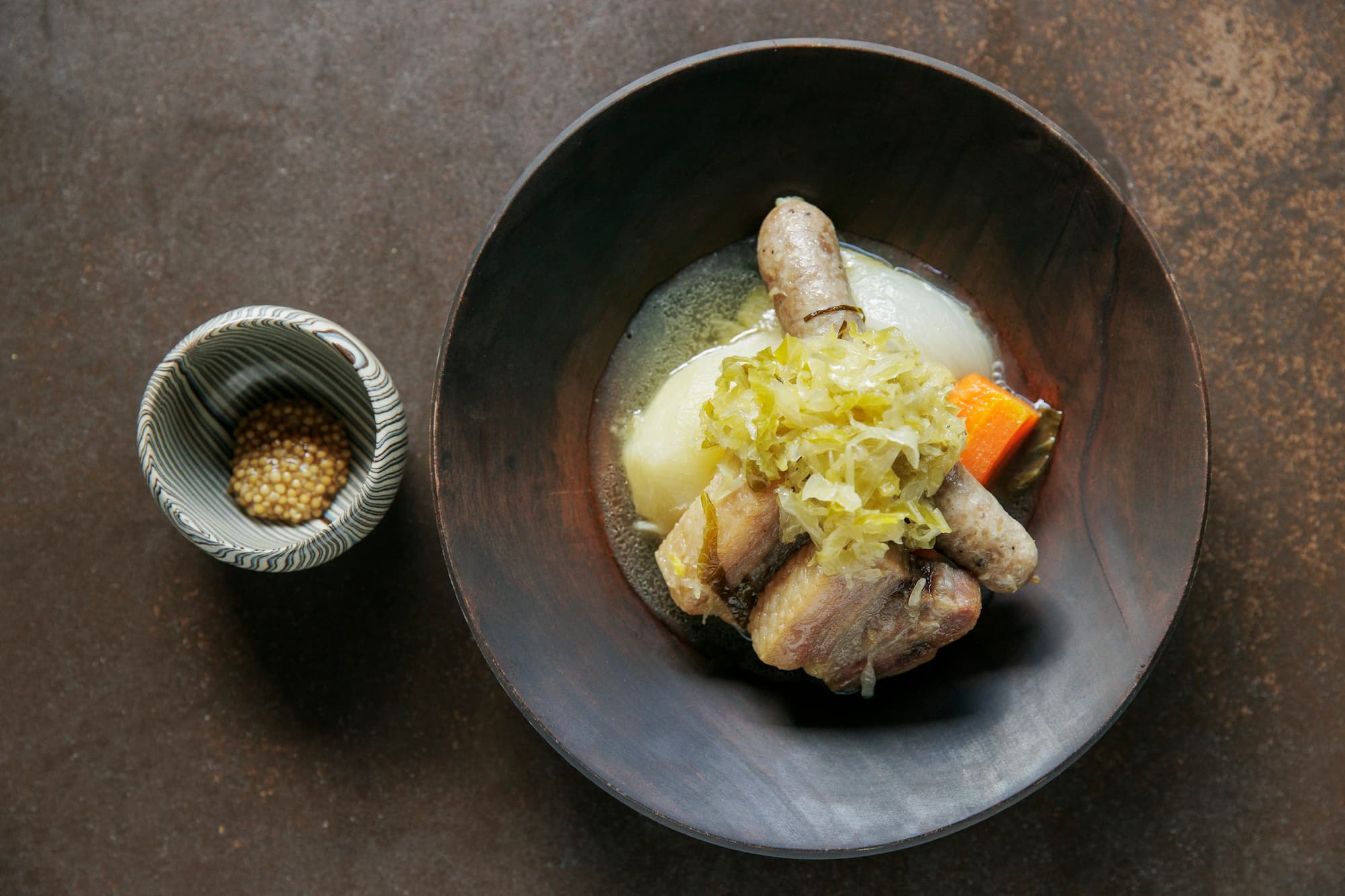
— What do you care most about in your cooking?
Looking at my dishes, some people might think they seem unusual, maybe even unapproachable. I want them to eat it and think, "Oh — this is actually just delicious."
At the end of the day, I want to appeal broadly. Young people, older guests, Japanese, international — I want everyone to find something they love. So I watch people as they eat: this person might enjoy the course more with slightly smaller portions; this one looks like a big eater, so I'll cut the meat a bit thicker; this guest is older, so I'll cut it smaller and make it easier to eat. For international guests, I might add a touch more salt. For older women, I might pull back slightly on fat. The dish is the same, but there's constant micro-adjustment happening.
Ultimately, the desire for everyone to enjoy themselves and to find the food delicious — that's the foundation. My creative philosophy and personal expression exist within that, not in front of it. If someone's curious, I'll talk about it. But for someone who just wants to eat well, there's no need to explain everything.
— What do you think about when it comes to the visual side of your cooking?
What I'd love — ideally — is for someone who has eaten widely to look at a dish and know it was made by me, even without seeing my name. Not something bizarre, but something that genuinely expresses the natural world. I want people to sense the atmosphere of this region, this land. But I'd rather do it abstractly than illustratively. It's not about recreating a landscape on a plate — it's about internalizing what I've seen, letting it blur a little, and arriving somewhere that feels both like this place and like me.
— What does it mean to cook here, in Yamanashi, in the Fuji foothills?
Yamanashi is a limited terroir. There aren't many ingredients with extraordinary star power. So the question becomes: how do I lift what I have to somewhere genuinely craveable? Working with relatively quiet ingredients means the process often becomes more complex — combining things unexpectedly, finding surprise. I want to cook simply, but simply roasting a vegetable, while it may taste good, won't move people. So I ask: how do I bring out everything this vegetable has, without losing what it actually is?
Take a carrot. If you roast part of it, purée another part, fry another — you've created subtle variations of the same ingredient. Each preparation concentrates and expresses a slightly different quality. Together, they amplify what was already there.
— Is there a difference between using Yamanashi ingredients in Tokyo versus using them here?
Completely different. In Tokyo, I was using them partly as a forward-looking gesture. Here, I live among the people and the producers. I can go pick herbs, mushrooms, and mountain vegetables myself. That changes your relationship to the ingredients entirely.
In Tokyo, using an unfamiliar wild green felt like novelty — something to explain to the guest. Here, it's just what grows nearby. The naturalness changes. Expressing local ingredients from a distance always carries a slight artificiality. But taking something you just picked and placing it on a plate — that has a different quality. The food belongs to the place.
— What makes nôtori distinctly itself?
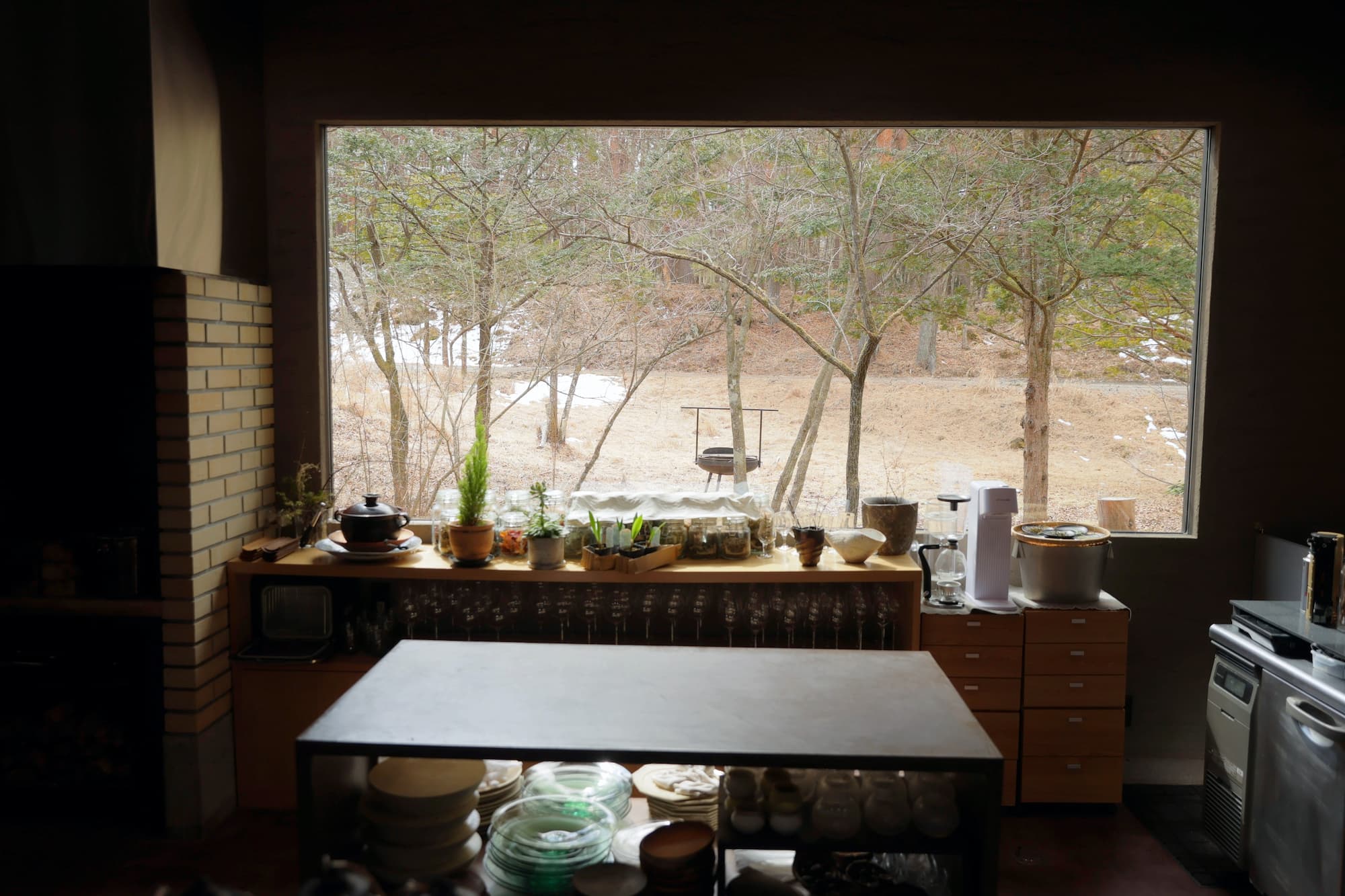
Regional gastronomy has matured a great deal. Local sourcing and reinterpreting traditional food culture have become standard. So when I ask what makes us different — yes, we're brothers, and we grew up here, and expressing the ingredients and culture of this land through food is simply part of what we do. But beyond that, we bring something no one else can: our own childhood memories of this place, the food our mother cooked for us, sensations that only we carry. In a world where many restaurants are trying to express their terroir, we're also expressing something that belongs only to us.
And it's not just the food. The menus, the website, the interior — every detail carries meaning connected to this place. That accumulation, I think, is what sets us apart.