Your cart is empty
We are currently accepting orders for shipment in early August.
We kindly ask for your understanding that delivery may take some time.
Note: Not compatible with induction cooktops.
Compatible heat sources:
Open flame
Electric stove / radiant heater
Ceramic cooktop
Oven up to 300°C / 572°F
Shipping Carrier: FedEx
Shipping fees can be confirmed at checkout.
Customs duties and import taxes are not included in the product price. They are to be paid by the customer to the carrier upon delivery.
Pre-order items will be shipped according to the delivery schedule provided. For items in stock, we will ship within 2 business days.
MADE IN JAPAN
DESIGNED IN SWEDEN
Made to last Decades.
Not Seasons.
Some objects are made to follow trends. Others are made to follow time.
At Mozambique, we design tools with the intention that they remain in use. Not just for years, but for decades. This means working with materials that do not hide behind coatings, and forms that do not rely on novelty to stay relevant. Instead of resisting change, the objects are made to evolve with it.
Surfaces will shift. Edges will soften. Traces of use will appear. Not as flaws, but as a natural continuation of the object’s life. What is gained over time is not wear, but familiarity.
This approach shapes everything we do. From the way we think about materials, to how we construct each object, and how it can be maintained, repaired, and kept in use.
The STEKA sauté pan is one expression of this idea.
Not the conclusion — but the beginning.
Designed from the ground up by ADDI in Sweden, in close collaboration with Mozambique.
Not adapted from an existing model,
not a reinterpretation.
Every line, proportion, and surface was developed to balance two philosophies:
Scandinavian restraint and Japanese dedication to craft.
A form that feels deliberate.
Because it is.
Mozambique began with tools for the outdoors.
This pan carries that heritage forward, refined for daily life.
Robust enough for fire and movement.
Balanced enough to remain on your kitchen shelf.
In Japan, space is limited.
Objects are not stored away, they are lived with.
This is cookware designed to belong in both worlds.
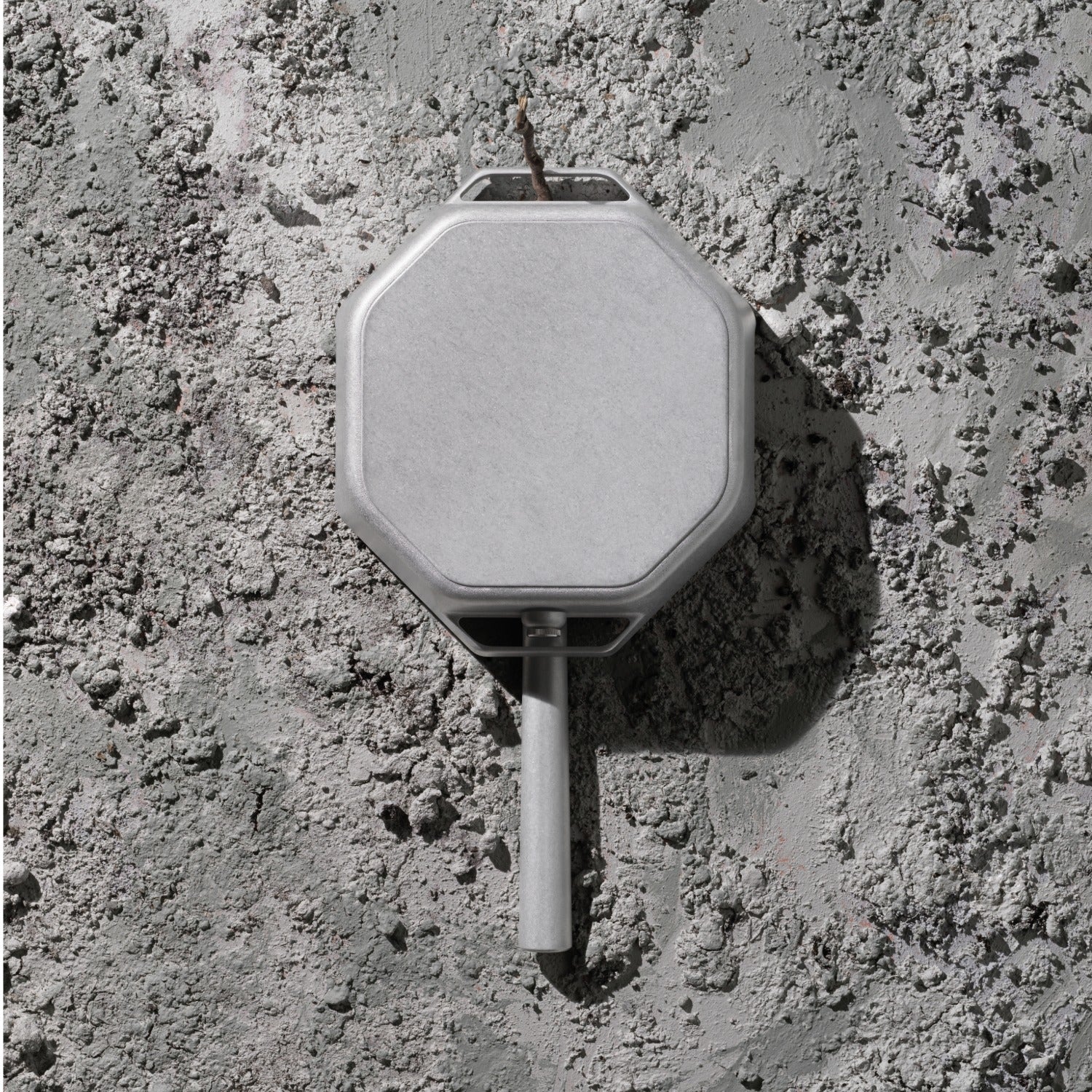
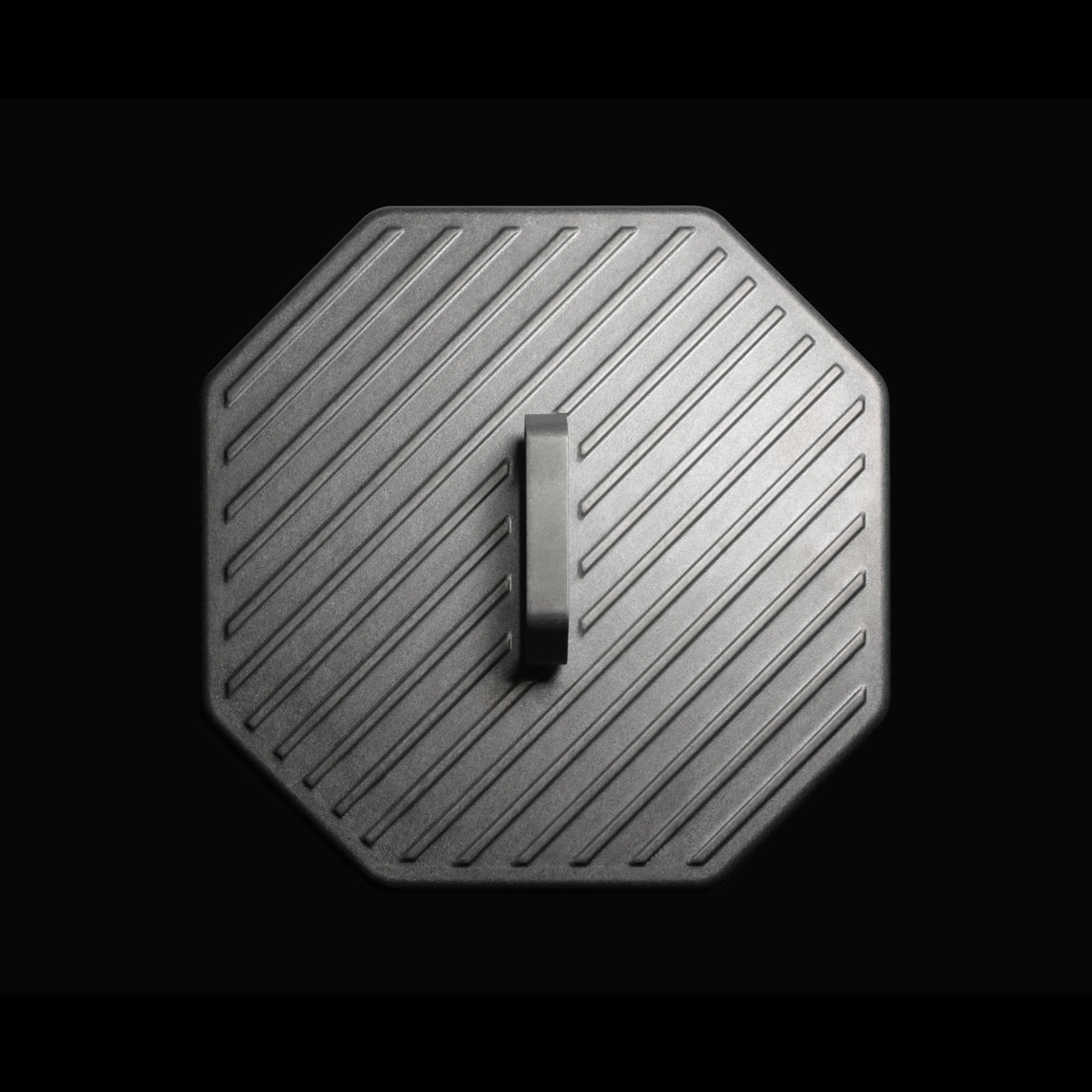
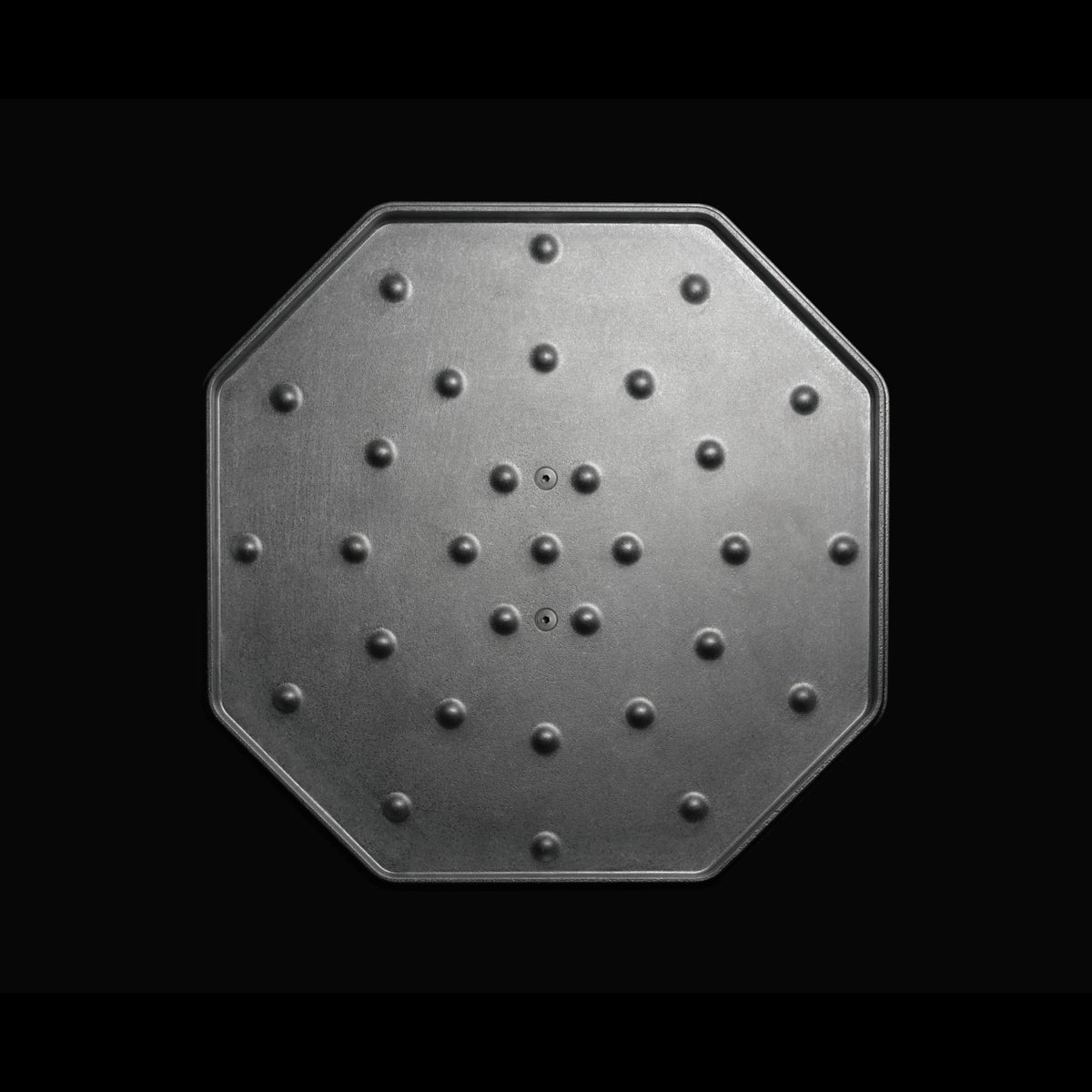
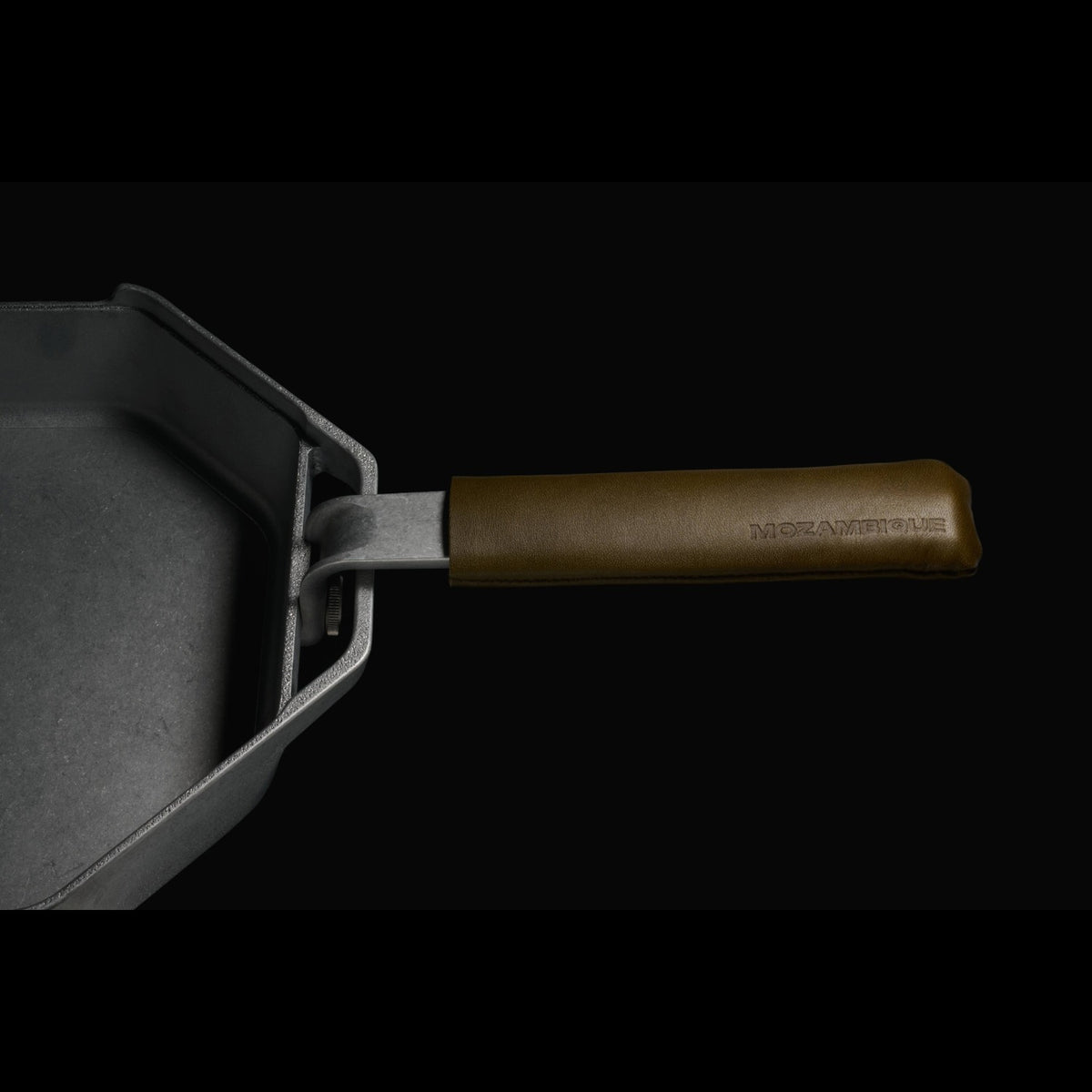
Sauté Pan in uncoated, solid aluminum.
Nothing applied that can peel away.
Nothing added that will disappear with time.
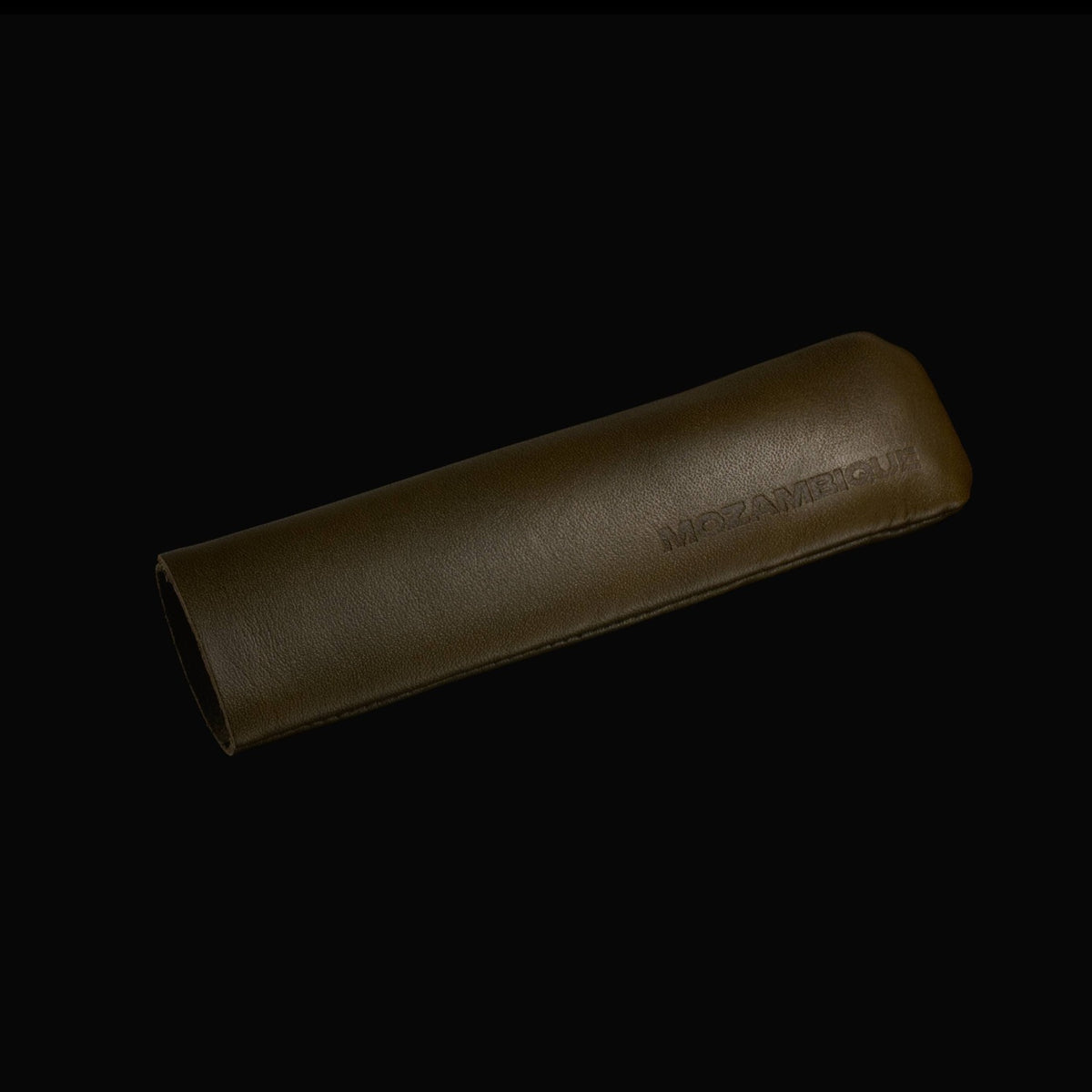
Parts can be replaced.
Surfaces can be restored.
Designed not only to last,
but to age well.

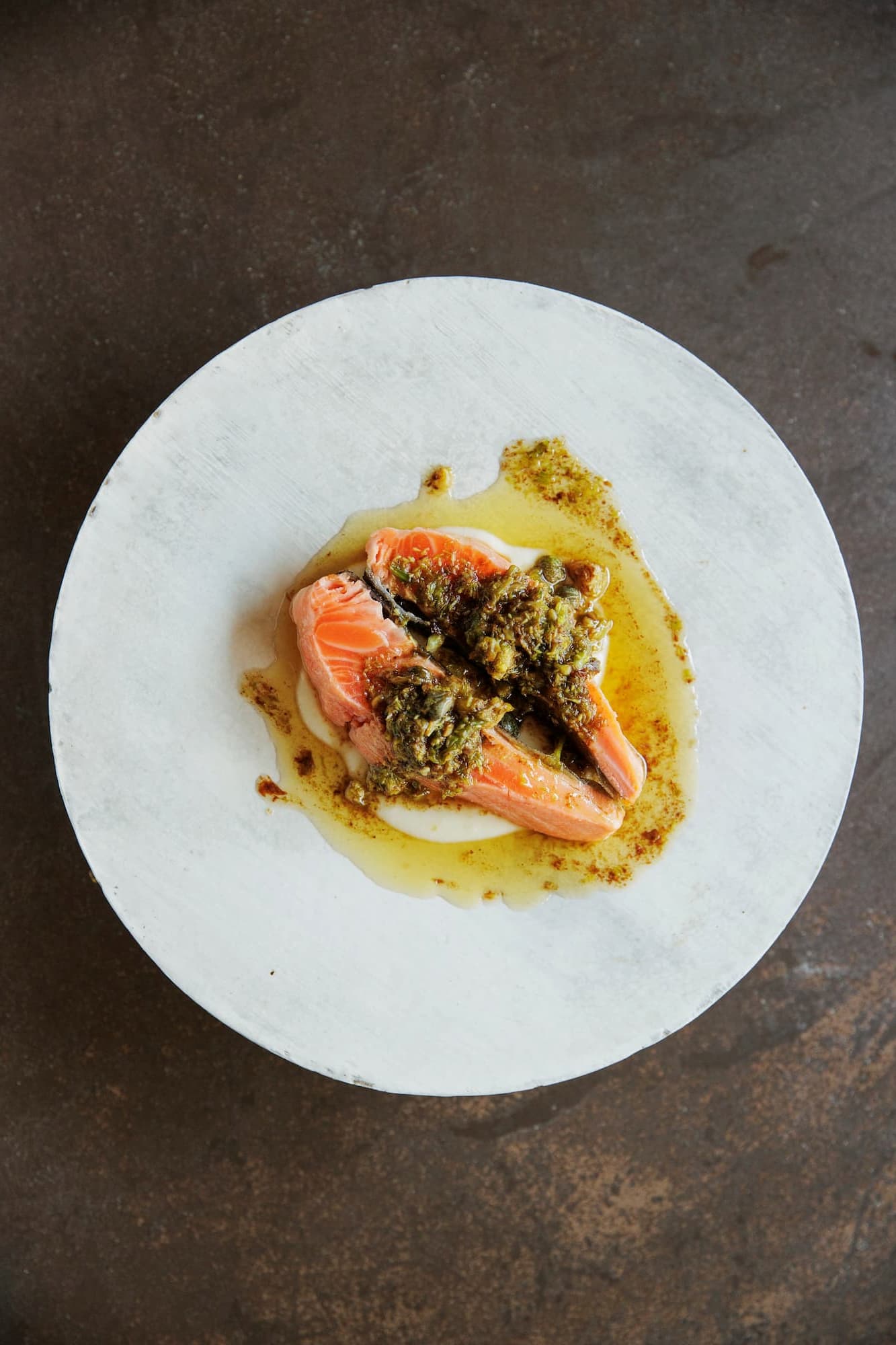
Trout with crisp-skinned, just-cooked flesh, finished with a brown butter sauce brightened by fuki-no-tō (Japanese butterbur bud).
"Tools that accumulate memories with each use — objects you want to keep close for years to come."
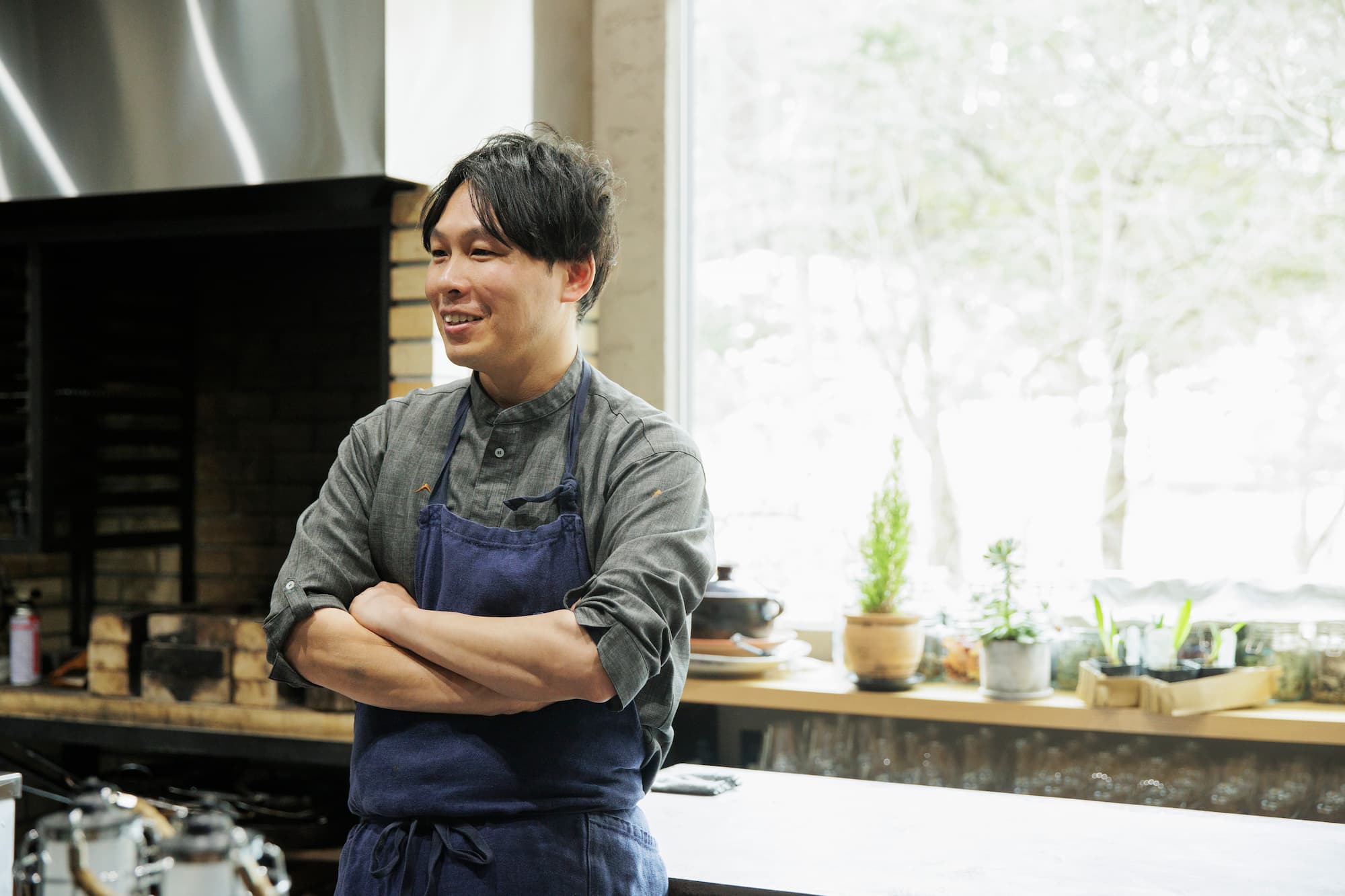
The chef we visited draws the nature of the northern Fuji foothills, and even memories of his earliest childhood, into his cooking.
Weaving into each course the memories of the land where he and his brother grew up, the meals their mother made, and sensibilities only they could possess — this way of thinking resonates with the craft of tools whose value deepens through experience.
We spoke with him about what he holds close when conceiving a dish, what it means to cook in this place, and the potential he sees in STEKA.

Aluminum is often associated with lightness. At a thickness of 5 mm, aluminum behaves dierently. It stores heat in a way comparable to cast iron, while maintaining a lower overall weight. This makes it easier to handle, without compromising on cooking performance.
At the same time, aluminum has a high thermal conductivity. Heat spreads quickly and evenly across the surface, reducing hot spots and allowing for more controlled cooking.

MORE PRODUCTS
Swedish design thinking.
Japanese craftsmanship.
The objects are developed through a dialogue between two traditions.
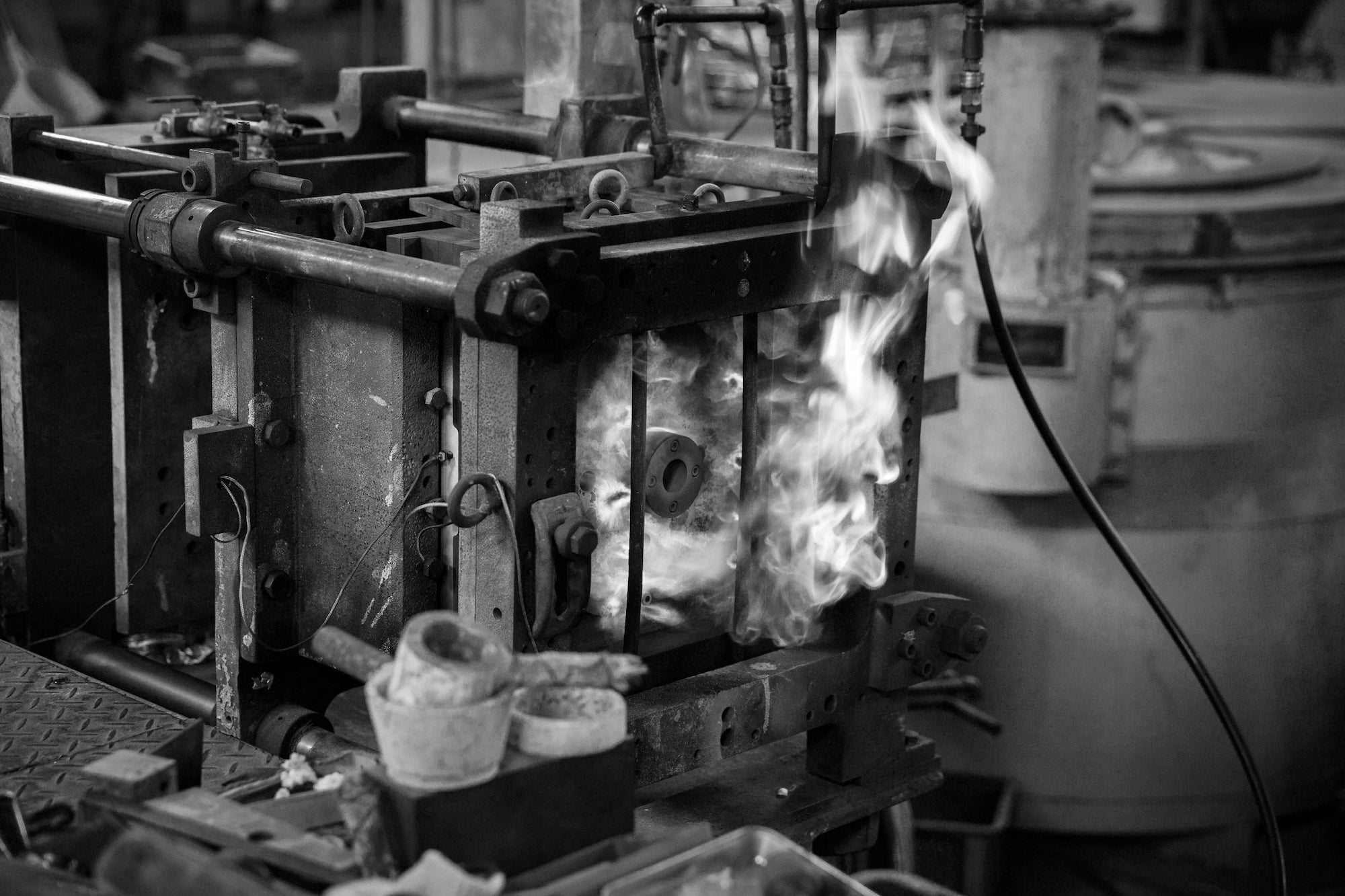
From Sweden comes a way of thinking that values restraint — reducing form to what is necessary, and allowing function to guide every decision. From Japan comes a deep respect for making — where knowledge is built over time, and precision is carried through every step of the process.
Neither approach stands alone. It is in their meeting that the work takes shape.
Each object begins as an idea, but is refined through material, through handling, and through the hands that shape it. What starts as a line or a proportion is gradually adjusted, tested, and resolved in collaboration with the craftsmen who bring it into form.
This balance between intention and execution defines Mozambique.
Design and making, considered as one.